
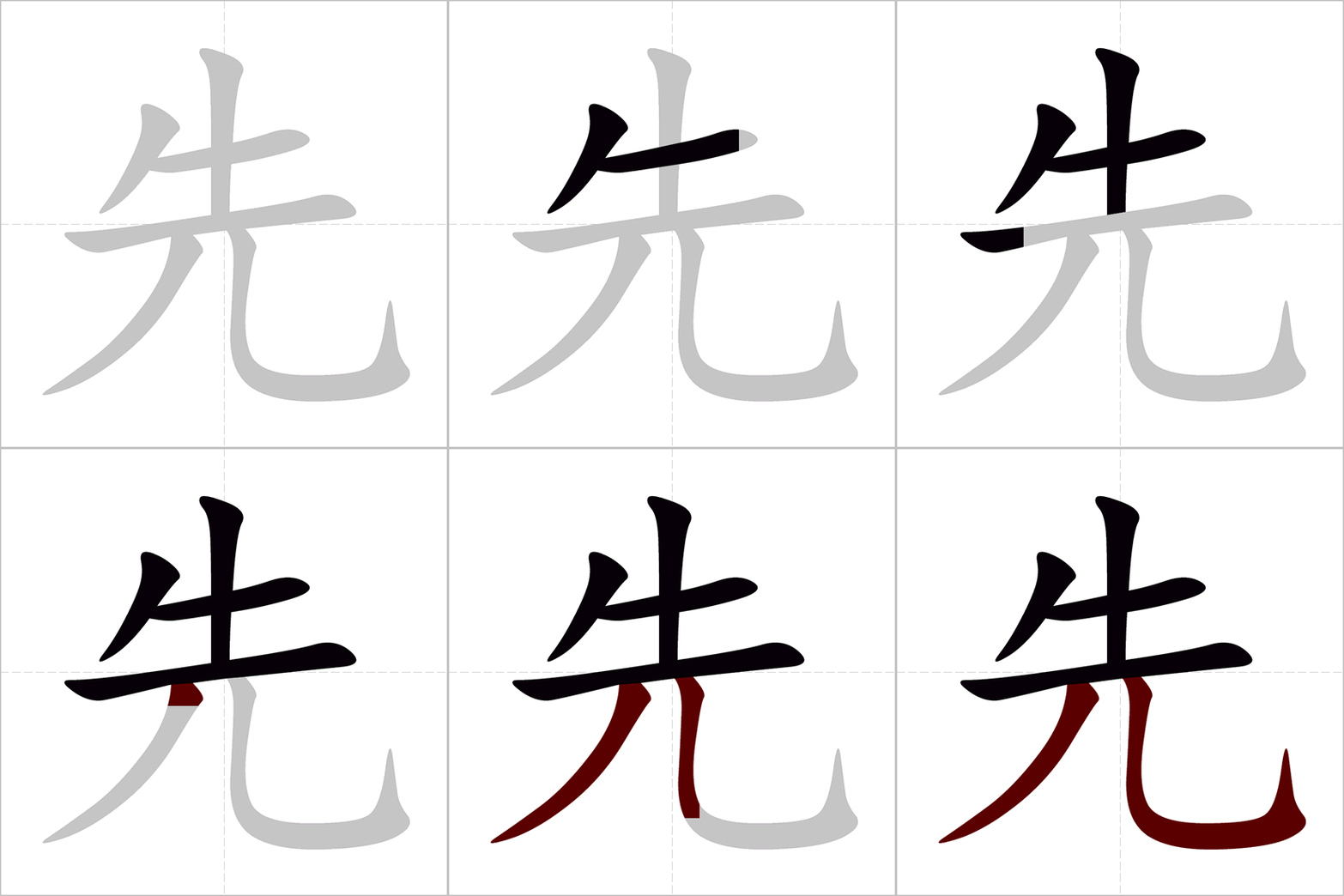
Understanding 祖先 (zǔxiān)
The word 祖先 refers to one's ancestors or forebears, typically those from whom a family or ethnic group descends. It is a formal term often used in cultural, historical, and familial contexts.
Usage and Nuance
祖先 is commonly used when discussing heritage, traditions, and respect for family lineage. It often appears in contexts related to cultural rituals, such as ancestor worship or commemorations.
Common Collocations
- 扫墓祭拜祖先 (sǎomù jìbài zǔxiān): to sweep tombs and pay respects to ancestors, used during festivals like Qingming.
- 尊重祖先 (zūnzhòng zǔxiān): to respect ancestors, emphasizing reverence for family history.
- 祖先的遗产 (zǔxiān de yíchǎn): ancestors' heritage, referring to cultural or material inheritance.
Register and Tone
The term is formal and respectful. It is not used casually to refer to any older generation but specifically to those who came before in the family line.
Common Confusion
Do not confuse 祖先 with 先辈 (xiānbèi), which also means predecessors but is more often used in a social or professional context rather than familial lineage.