
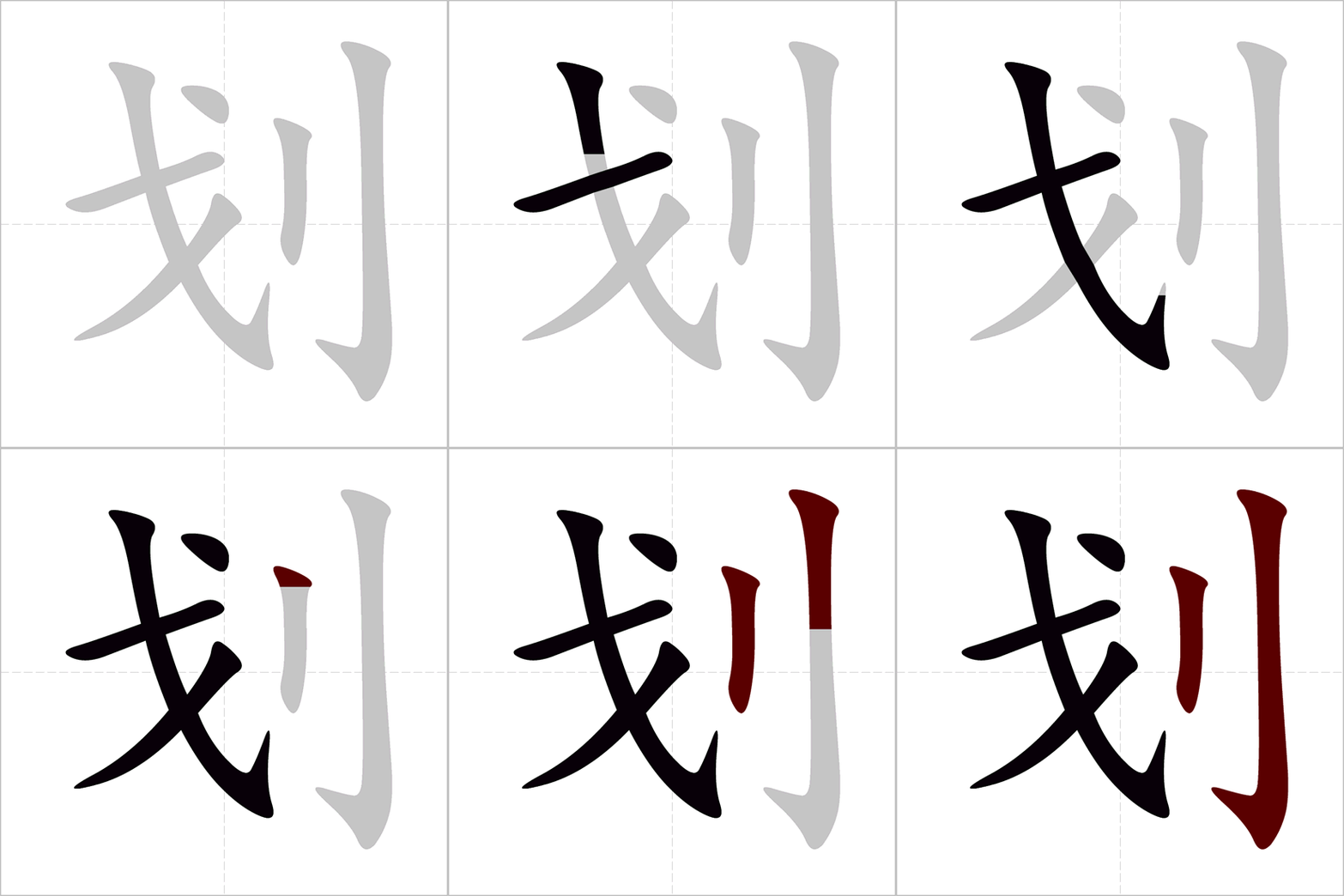
Usage and Nuances
The verb 谋划 (móuhuà) means to plan or scheme, often implying careful or strategic planning. It can be used in both neutral and negative contexts, such as planning a project or plotting something secretive.
Common Collocations
- 谋划计划 (móuhuà jìhuà): to plan a plan, emphasizing detailed preparation.
- 谋划犯罪 (móuhuà fànzuì): to scheme a crime, used in legal or police contexts.
- 谋划未来 (móuhuà wèilái): to plan the future, often used in personal or career contexts.
Register and Tone
谋划 is somewhat formal and often appears in written or formal spoken Chinese. It is more serious than casual words like 计划 (jìhuà) and can carry a connotation of strategic or secretive planning.
Common Confusion
Avoid confusing 谋划 with 计划, which is more neutral and general for planning. 谋划 often implies a deeper or more strategic level of planning, sometimes with a secretive or scheming nuance.