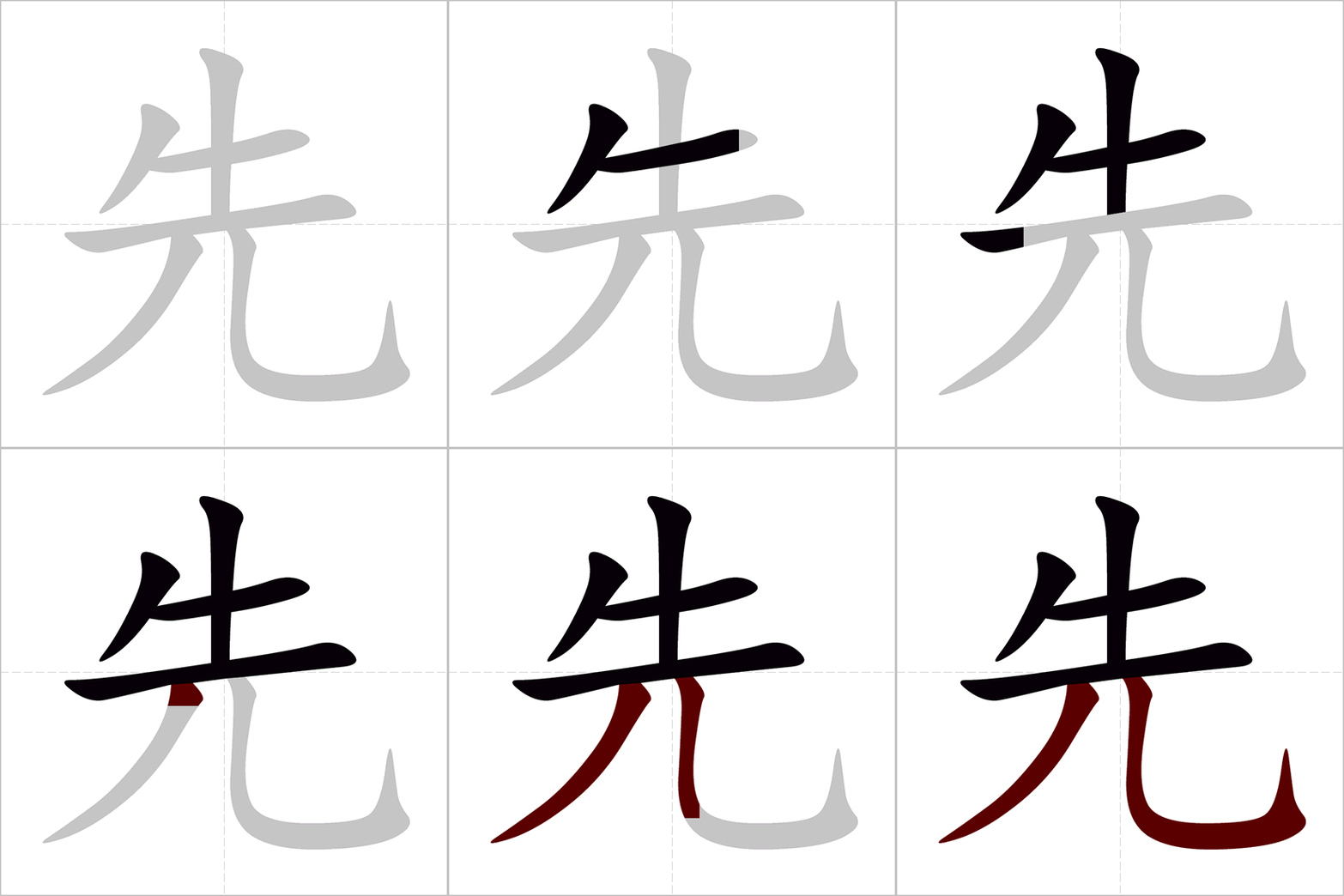

Usage of 先前
The word 先前 is a formal adverb meaning "previously" or "before." It is often used in written and formal spoken Chinese to refer to events or states that happened earlier in time.
Common contexts
You will frequently see 先前 in news reports, official documents, and formal conversations when referencing prior meetings, plans, or experiences. It emphasizes that something occurred at an earlier point relative to the current discussion.
Collocations and patterns
- 先前的 + noun (e.g., 先前的会议) — refers to a previous event or thing.
- 先前 + verb + 过 (e.g., 先前工作过) — indicates an action done previously.
Nuance and register
Compared to simpler words like 以前, 先前 sounds more formal and is less common in casual speech. It is best to use 先前 in writing or formal contexts to sound precise and professional.
Common confusion
Do not confuse 先前 with 先 (meaning "first" or "beforehand") used alone. 先前 specifically points to a previous time, while 先 can be used in various temporal or sequential senses.