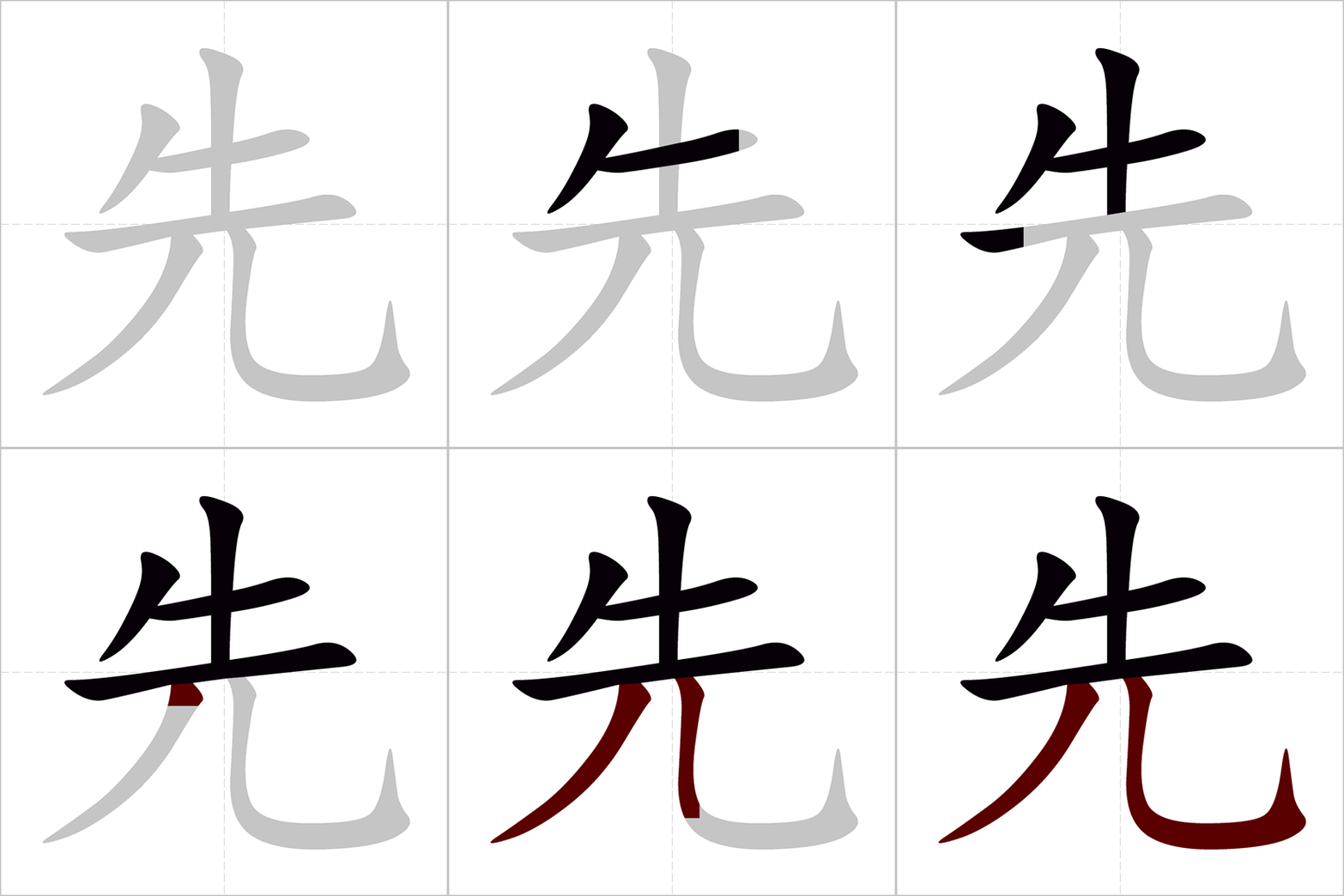
Usage of 先
The word 先 (xiān) is commonly used to indicate doing something before others or earlier in time. It can mean "first," "beforehand," or "earlier." It often appears at the beginning of a sentence or clause to show the order of actions.
Common contexts
- To suggest someone do something before others: 你先吃 (You eat first).
- To indicate priority in discussion or action: 我们先讨论 (Let's discuss first).
- To express earlier arrival or occurrence: 他先到了 (He arrived earlier).
Collocations and patterns
- 先...再... (first... then...): Used to show sequence.
- 先别... (don't... yet): Used to advise waiting or postponing.
- 先来后到 (first come, first served): A common phrase about order.
Nuances
Using 先 implies a polite or practical suggestion to prioritize an action. It is less forceful than commands and often softens requests. It can also express temporal order without implying urgency.
Common confusion
Don't confuse 先 with 先于, which is more formal and used in written contexts to mean "precede." 先 is more versatile and common in spoken language.