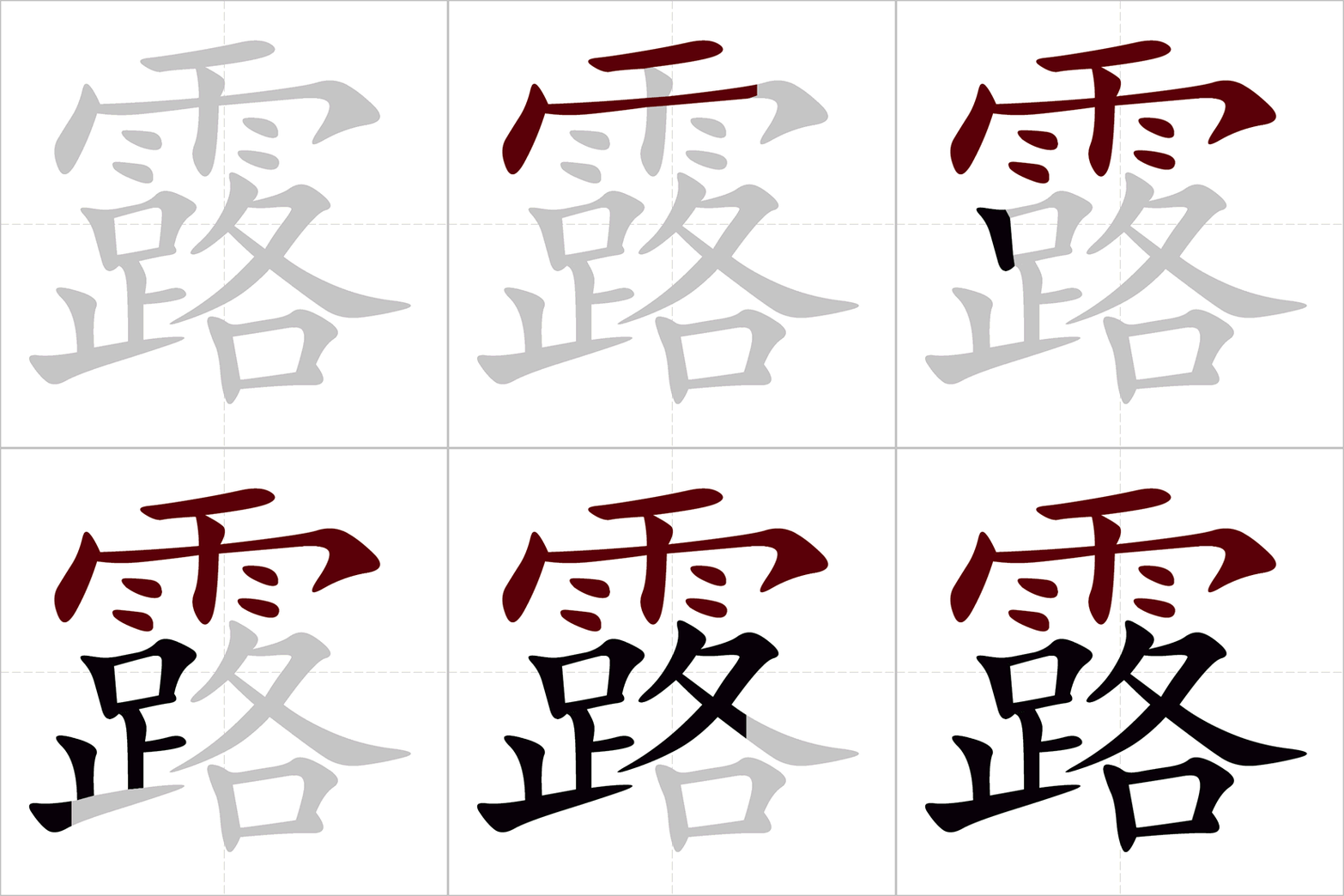

Meaning and Usage
The term "露天" (lùtiān) literally means "exposed to the sky" and is commonly used to describe places or events that are held outdoors without any roof or cover. It often appears in contexts like markets, cinemas, swimming pools, or any open-air facilities.
Common Collocations
- 露天市场 (open-air market): a market held outdoors, often bustling with fresh produce and local goods.
- 露天电影 (open-air movie): a movie screening held outside, usually in parks or plazas.
- 露天游泳池 (outdoor swimming pool): a swimming pool without a roof, exposed to sunlight.
Usage Notes
When using "露天," the emphasis is on the absence of a roof or enclosure, highlighting the exposure to natural elements like sunlight or air. It is a neutral term and can be used in both formal and informal contexts. Avoid confusing it with "室内" (indoor).
Common Confusion
Do not confuse "露天" with "野外" (wilderness/outdoors in a natural setting). "露天" usually refers to man-made or organized outdoor spaces, while "野外" refers to natural, undeveloped outdoor areas.