

Overview
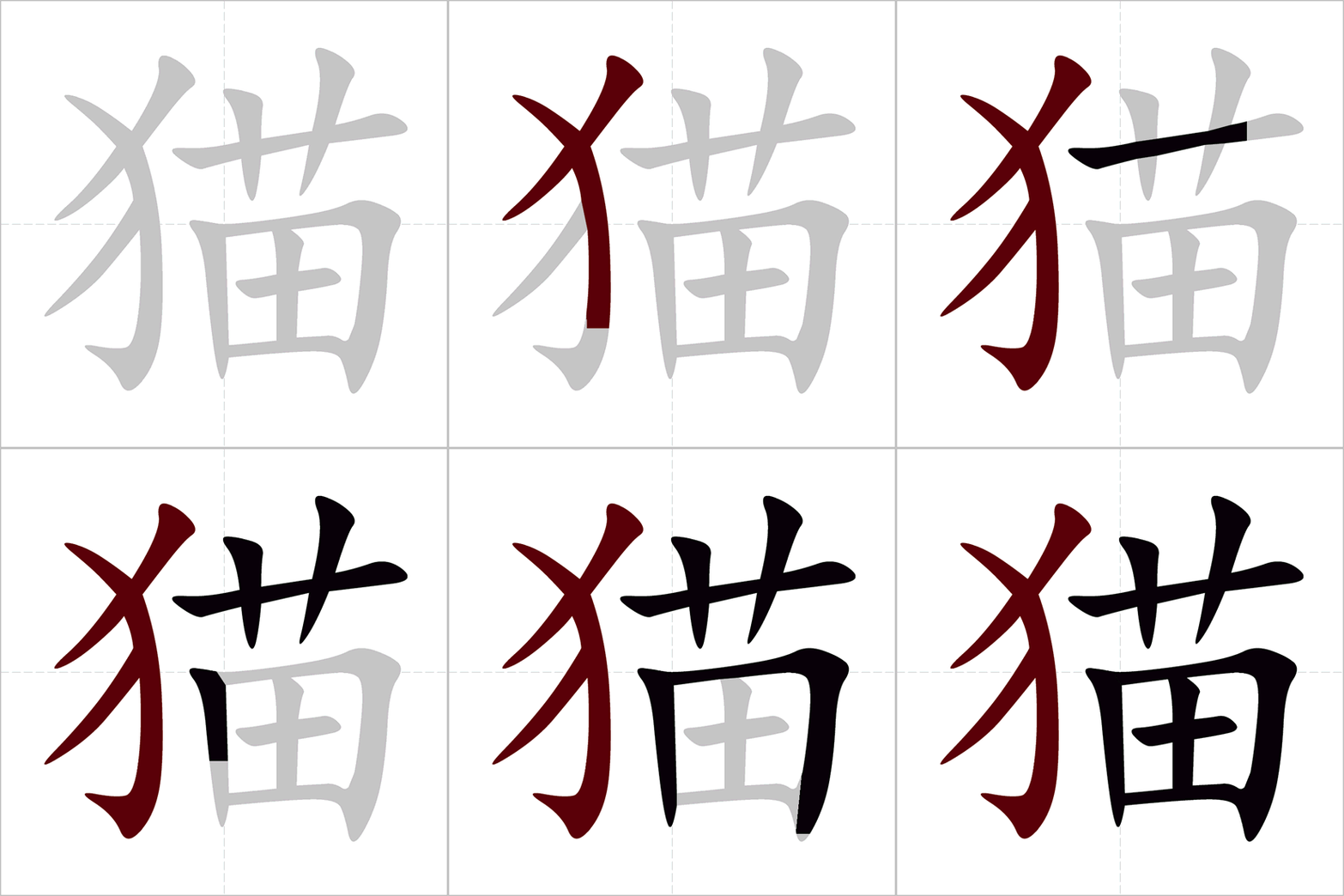
The term 大熊猫 (dàxióngmāo) specifically refers to the giant panda, a bear species native to China and a national symbol. It literally combines 大 (big), 熊 (bear), and 猫 (cat), reflecting its bear-like body and cat-like face.
Usage in Conversation
People often mention 大熊猫 when talking about wildlife conservation, Chinese culture, or visiting zoos. It is a noun and used as a subject or object in sentences.
Common Collocations
- 大熊猫宝宝 (giant panda cubs): refers to young pandas, often used in zoo or conservation contexts.
- 保护大熊猫 (protect the giant panda): common in environmental discussions.
- 大熊猫栖息地 (giant panda habitat): used in ecological or conservation topics.
Cultural Notes
Mentioning 大熊猫 often evokes feelings of national pride and concern for endangered species. It is a polite and neutral term, suitable for formal and informal contexts.
Avoiding Confusion
Do not confuse 大熊猫 with 熊猫 alone, which can also mean panda but is less formal. The full term emphasizes the 'giant' aspect and is more precise.