
Understanding 规划 (guīhuà)
The word 规划 primarily means to plan or to design a detailed scheme or program. It is often used in formal contexts such as business, urban development, or personal goal setting. When someone uses 规划, they imply a thoughtful, organized approach to achieving a goal.
Common Uses
- Business or strategic planning: 公司规划 (company planning), 发展规划 (development planning).
- Urban or regional planning: 城市规划 (urban planning), 土地规划 (land planning).
- Personal or study plans: 学习规划 (study plan), 生活规划 (life planning).
Collocations and Patterns
- 规划 + 名词 (e.g., 规划方案, 规划目标): refers to the plan or scheme itself.
- 规划 + 动词 (e.g., 规划未来, 规划路线): refers to the act of planning something.
Usage Notes
- 规划 is more formal and systematic than just 计划, which can be more casual or general.
- It often implies a comprehensive or long-term plan rather than a simple or immediate one.
- Avoid confusing 规划 with 计划; 规划 emphasizes the design and structure of the plan.
Character Insights
- 规 relates to rules or standards, highlighting the orderly aspect of planning.
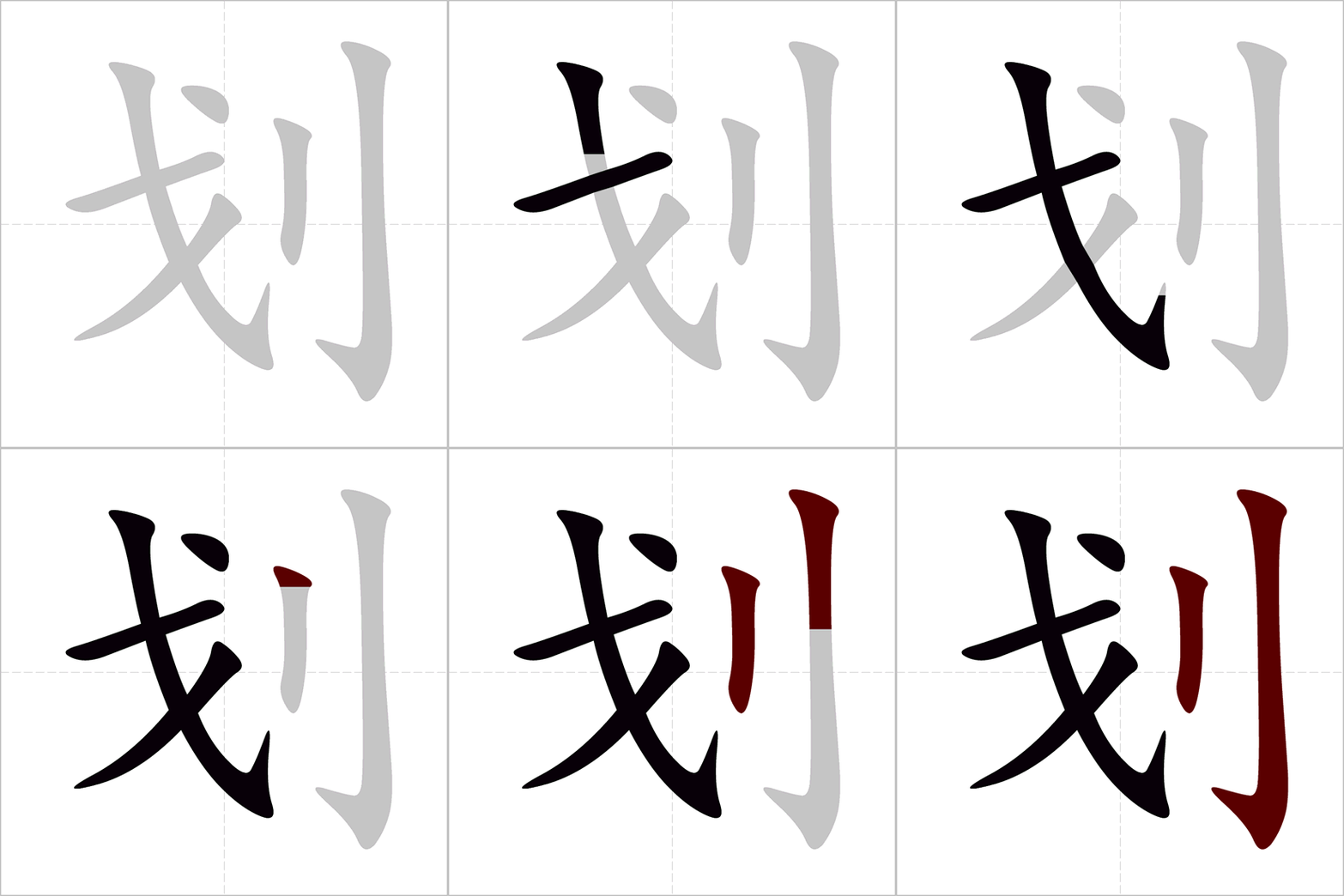
- 划 originally means to row or mark out, emphasizing the act of drawing or outlining a plan.
Using 规划 correctly helps convey a sense of professionalism and thoroughness in planning discussions.