
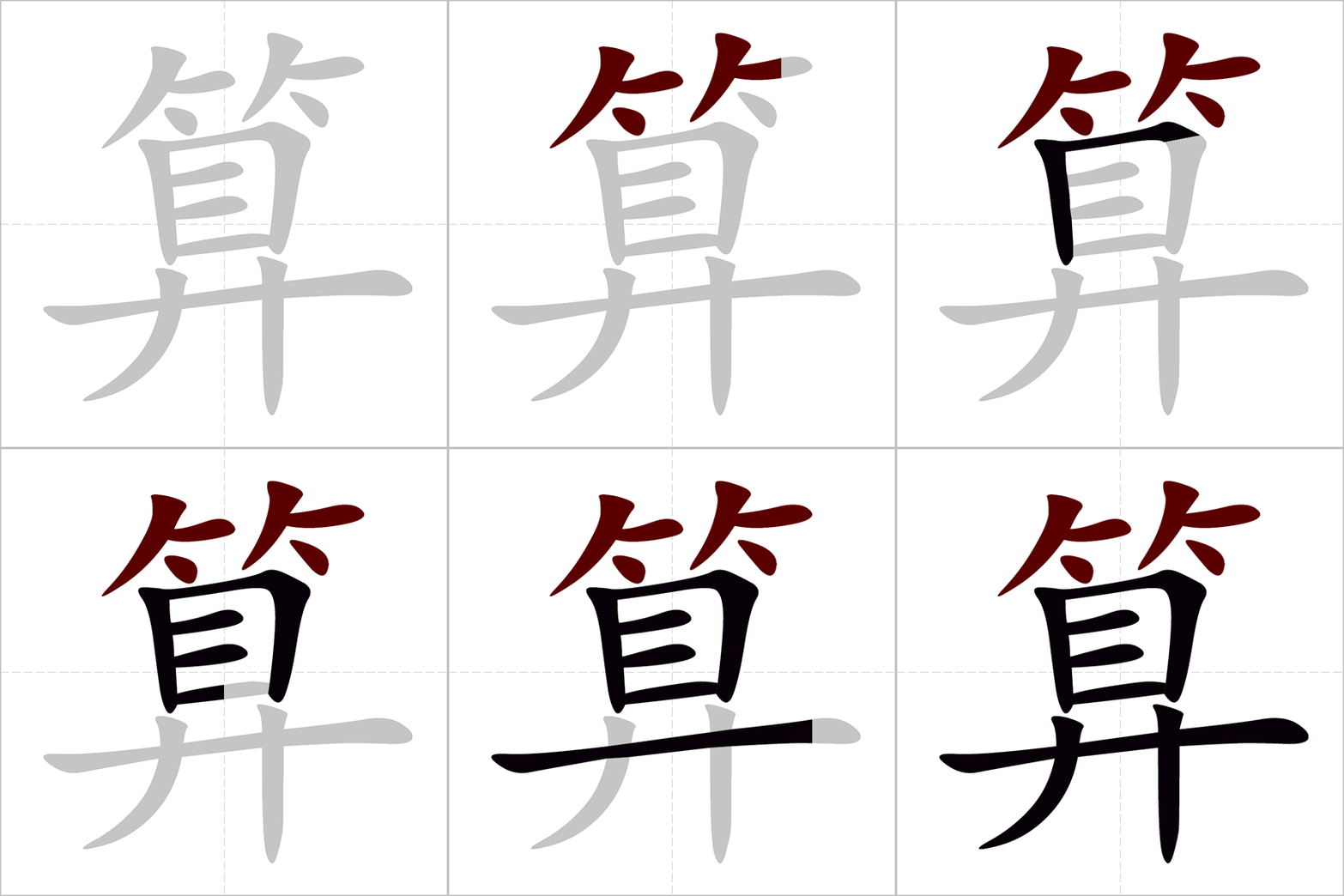
Meaning and Usage
"合算" (hé suàn) is an adjective used to describe something as worthwhile, cost-effective, or profitable. It often refers to purchases, investments, or decisions where the benefits outweigh the costs.
Common Contexts
It is frequently used in shopping or financial contexts to express that the price or investment is reasonable given the quality or returns.
Collocations and Patterns
- "很合算" (hěn hésuàn): very worthwhile
- "买...很合算": buying ... is cost-effective
- "投资很合算": investment is profitable
Nuances
Using "合算" implies a positive evaluation of value, often comparing cost and benefit. It is more objective than just "便宜" (cheap), emphasizing overall worth rather than just low price.
Common Confusion
Do not confuse "合算" with "合适" (héshì, suitable). "合算" focuses on value and cost-benefit, while "合适" refers to appropriateness or fittingness.