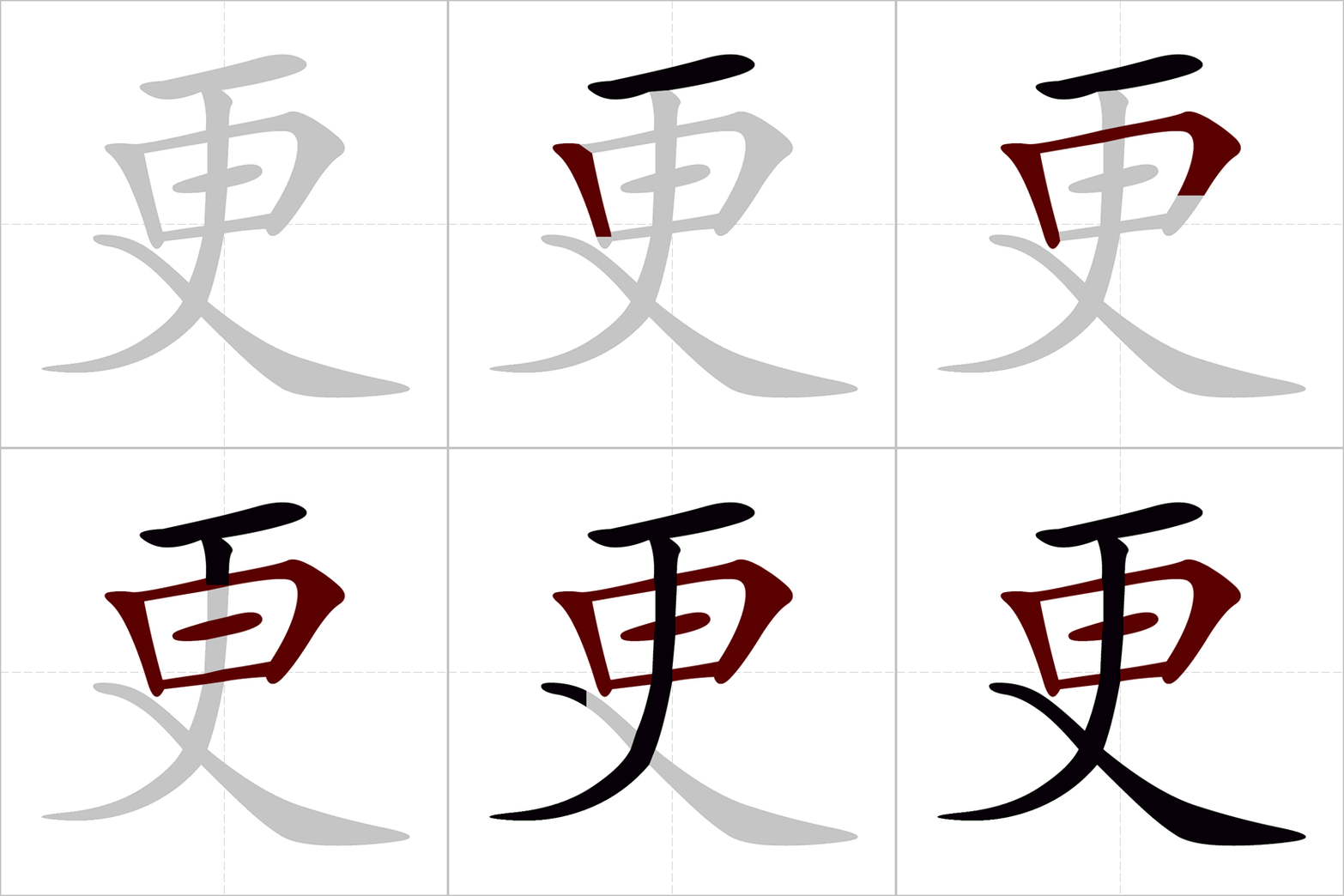

Meaning and Usage
"更新" (gēngxīn) literally means "to replace the old with new." It is commonly used in contexts involving software updates, data refreshes, or replacing outdated materials. The term emphasizes the action of making something current or up-to-date.
Common Collocations
- 更新系统 (update the system): often used in technology contexts.
- 更新资料 (update materials): used in education or business.
- 更新信息 (update information): common in personal data or records.
Usage Notes
"更新" is a formal verb and frequently appears in written and spoken Chinese when discussing maintenance or improvement. It differs from "改变" (to change) because "更新" implies replacing something old with a newer version, not just any change. Avoid confusing it with "升级" (to upgrade), which often implies improving quality or level rather than just replacement.
Register and Tone
The word is neutral and suitable for both formal and informal contexts, especially in professional or technical settings.