
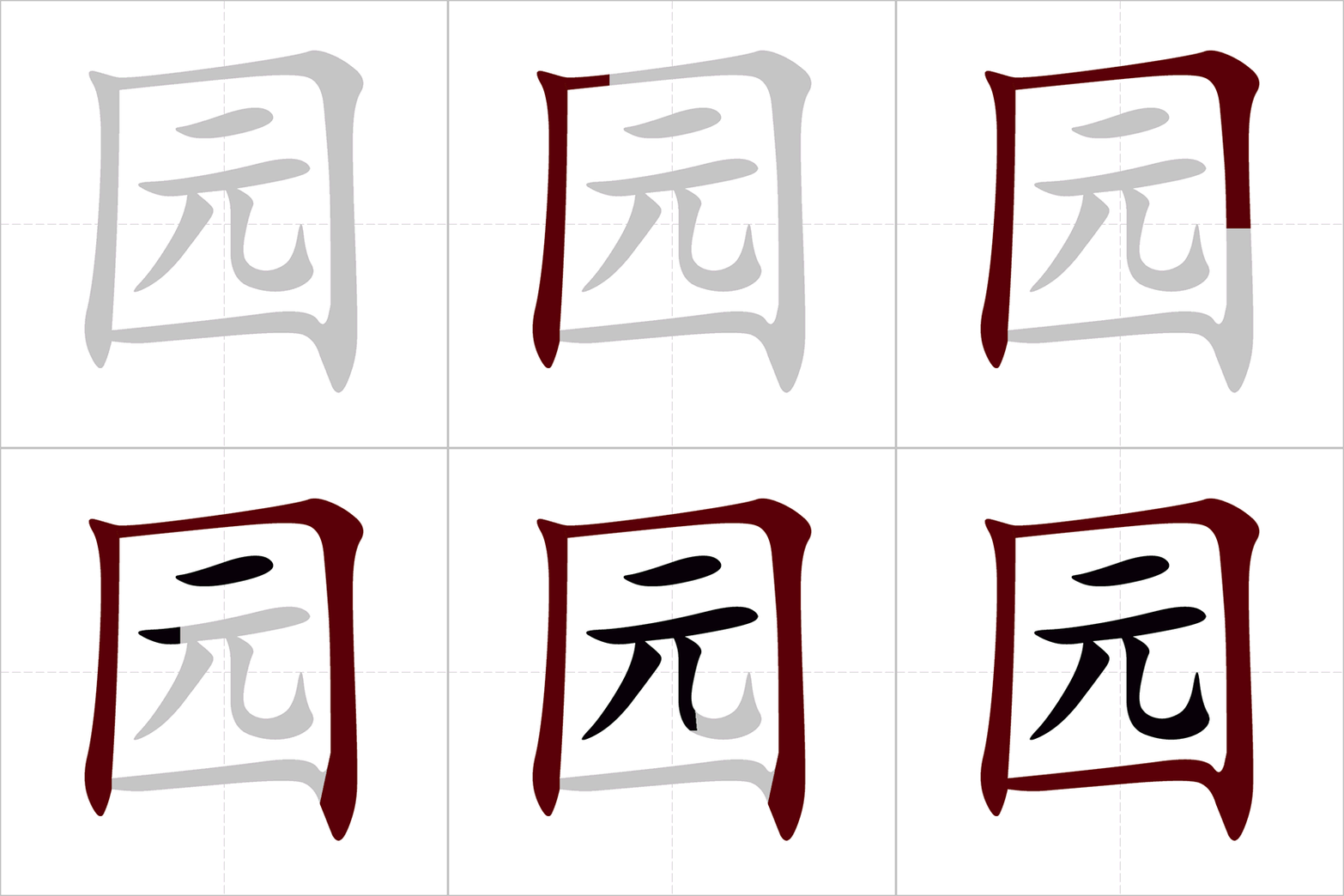
Meaning and Usage
The word 乐园 (lèyuán) literally combines 'happy' or 'joyful' (乐) and 'garden' or 'park' (园), referring to a place of enjoyment or paradise. It is commonly used to describe amusement parks or theme parks where people go for fun and entertainment.
Common Contexts
- Amusement parks: 乐园 often refers to places like Disneyland or other theme parks designed for recreation.
- Metaphorical paradise: It can also describe a personal or ideal place of happiness, such as a garden or a peaceful retreat.
Collocations and Patterns
- 游乐园 (yóulèyuán): amusement park, a very common compound.
- 主题乐园 (zhǔtí lèyuán): theme park, emphasizing a specific theme or concept.
- 自己的乐园: one's own paradise, used metaphorically.
Usage Notes
乐园 is a noun and typically appears as a place name or descriptive noun. It is more formal and poetic than simply saying 公园 (park). When used metaphorically, it conveys a strong sense of joy and personal attachment.
Avoid confusing 乐园 with 乐趣 (lèqù), which means 'pleasure' or 'fun' but is an abstract noun rather than a place.