

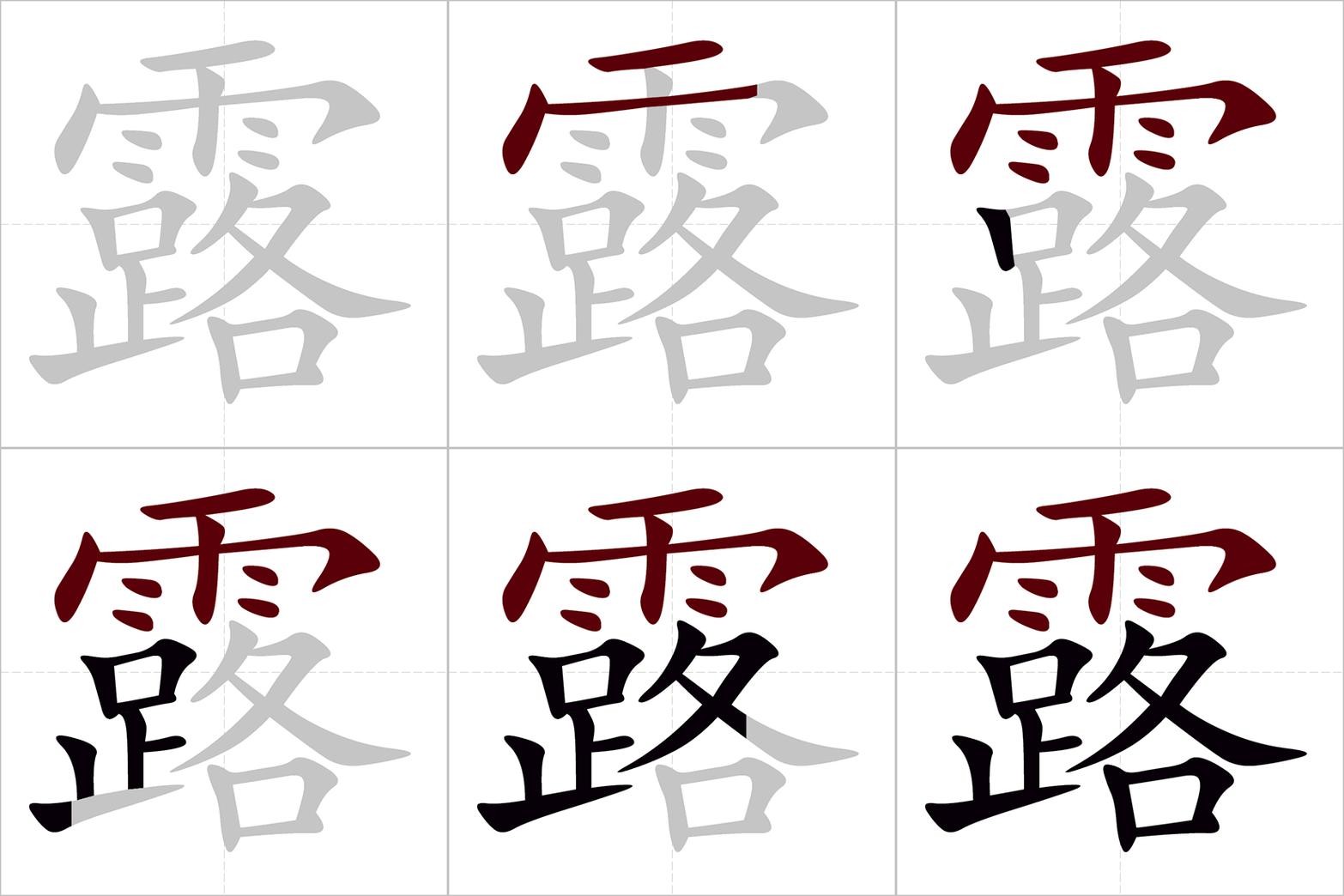

Meaning and Usage
"风餐露宿" literally means "eating in the wind and sleeping in the dew," describing a situation where someone endures hardships by living outdoors, often exposed to the elements. It is commonly used to emphasize the tough conditions faced during travel, work, or missions.
Contexts
This idiom is often applied to describe:
- Researchers or workers who must stay outdoors for extended periods.
- Entrepreneurs or individuals who endure hardships to achieve their goals.
- Soldiers or travelers facing difficult living conditions.
Common Collocations
- 风餐露宿的生活 (life of hardship outdoors)
- 风餐露宿的经历 (experience of enduring hardships)
- 风餐露宿的日子 (days of hardship)
Usage Notes
This phrase carries a tone of admiration or sympathy for the perseverance involved. It is typically used in formal or literary contexts rather than casual speech. Avoid confusing it with similar idioms that emphasize hardship but do not specifically imply outdoor living conditions.
Summary
Use "风餐露宿" to vividly express enduring tough, outdoor conditions, highlighting resilience and dedication.