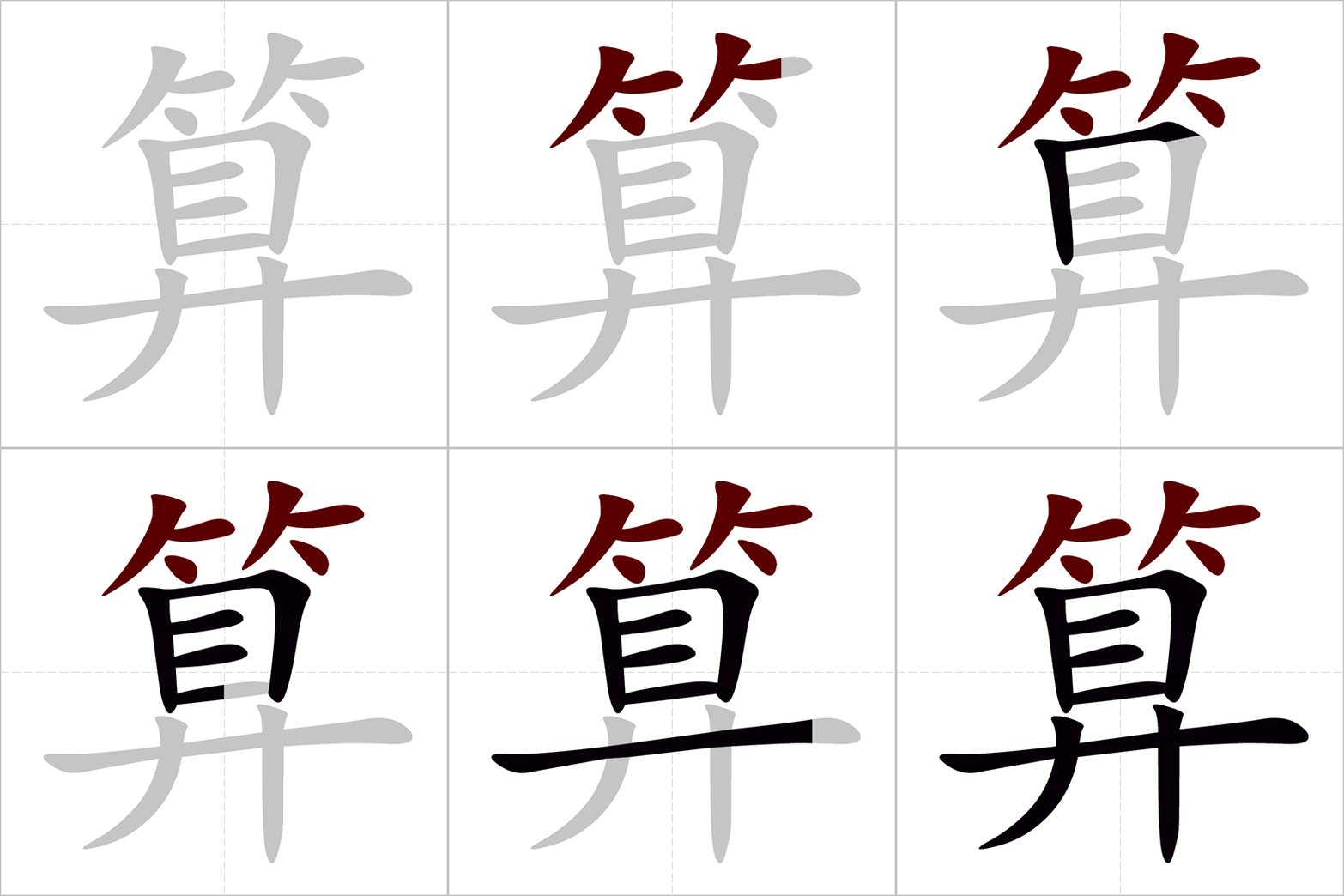

Usage of "算了"
"算了" is a common colloquial expression used to indicate giving up on something, letting go, or deciding not to pursue a matter further. It often conveys a sense of resignation or a polite way to stop a discussion or argument.
Common contexts
- When something is too troublesome or complicated, and you decide to stop worrying about it.
- To politely decline or withdraw from a suggestion or invitation.
- To express a change of mind from trying to help or intervene to deciding to leave it alone.
Typical collocations
- 算了,不管它 (let it be, don't care about it)
- 算了,别说了 (forget it, don't say anymore)
- 算了,我自己来 (never mind, I'll do it myself)
Nuance and register
"算了" is informal and widely used in spoken Mandarin. It softens refusals or endings of conversations, making them less abrupt. It can sometimes imply a mild disappointment or acceptance of a less-than-ideal situation.
Common confusion
Don't confuse "算了" with "算是" which means "to be considered as." "算了" is about giving up or letting go, while "算是" is about classification or evaluation.