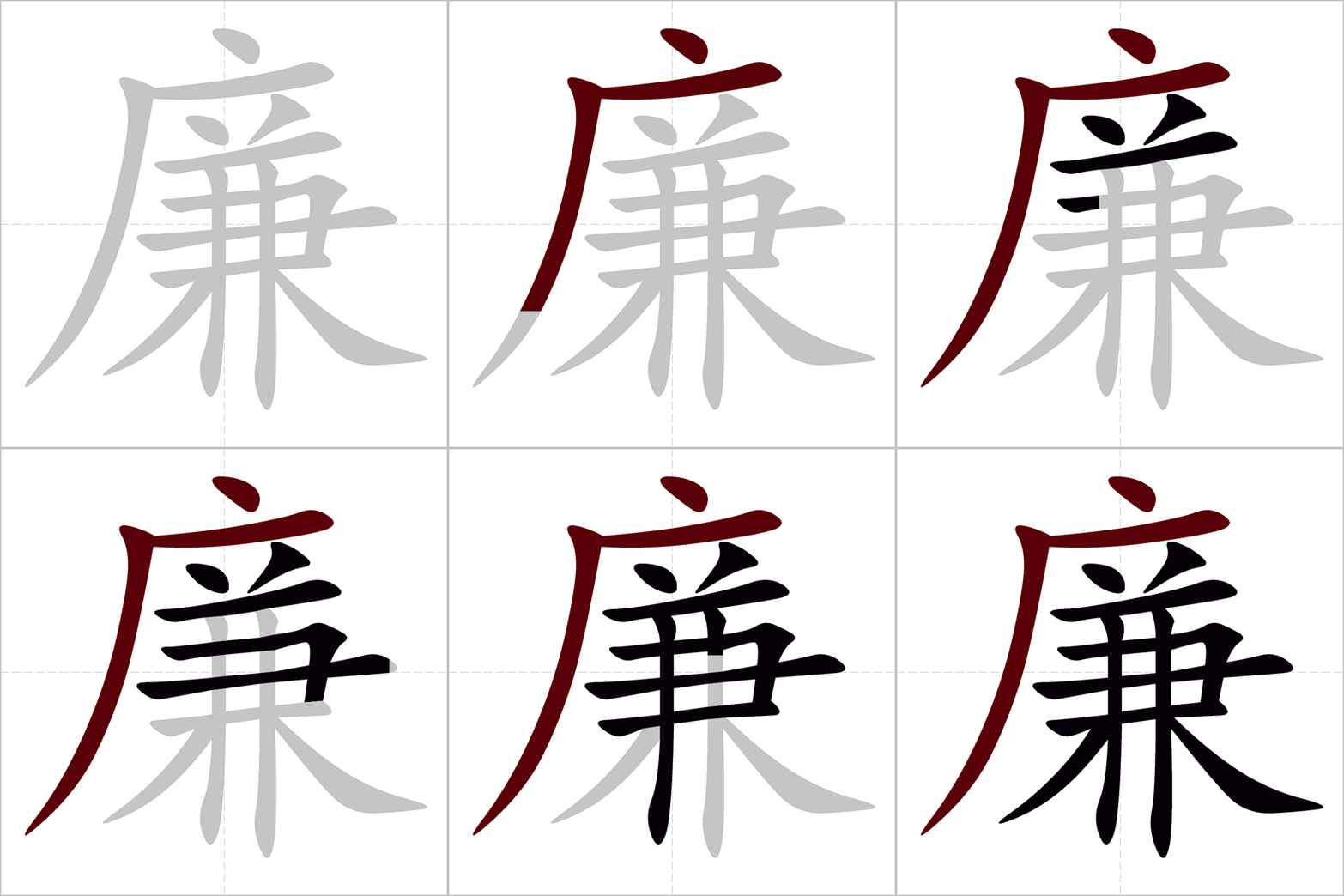

Meaning and Usage
The adjective 廉洁 (liánjié) describes a person or behavior that is honest, incorruptible, and free from bribery or corruption. It is often used in formal or official contexts, especially when referring to government officials, public servants, or organizations emphasizing ethical conduct.
Common Collocations
- 廉洁自律 (liánjié zìlǜ): integrity and self-discipline, often used to describe personal or organizational ethics.
- 廉洁奉公 (liánjié fènggōng): to serve the public honestly and without corruption.
- 廉洁官员 (liánjié guānyuán): honest officials.
Usage Notes
When using 廉洁, the focus is on moral purity and resistance to corruption. It is more formal and serious than simply saying honest (诚实). Avoid confusing 廉洁 with 清洁, which means clean or hygienic. 廉洁 emphasizes ethical cleanliness rather than physical cleanliness.
Register and Tone
This word is typically used in formal speech, news reports, official documents, and discussions about ethics and governance. It carries a positive and respectful tone.
Common Confusion
Do not confuse 廉洁 with 廉价 (cheap price) or 清洁 (clean). 廉洁 specifically relates to incorruptibility and moral integrity.