
Meaning and Usage
The word 率先 (shuàixiān) means to take the lead or to act first in doing something. It often implies a positive initiative where someone or a group sets an example by being the first to act.
Common Contexts
It is frequently used in contexts such as leadership, innovation, social activities, or any situation where leading by example is important. For example, a person might 率先提出 (take the lead in proposing) an idea, or a company might 率先采用 (be the first to adopt) new technology.
Collocations and Patterns
These collocations emphasize the proactive and leading role of the subject.
Nuances
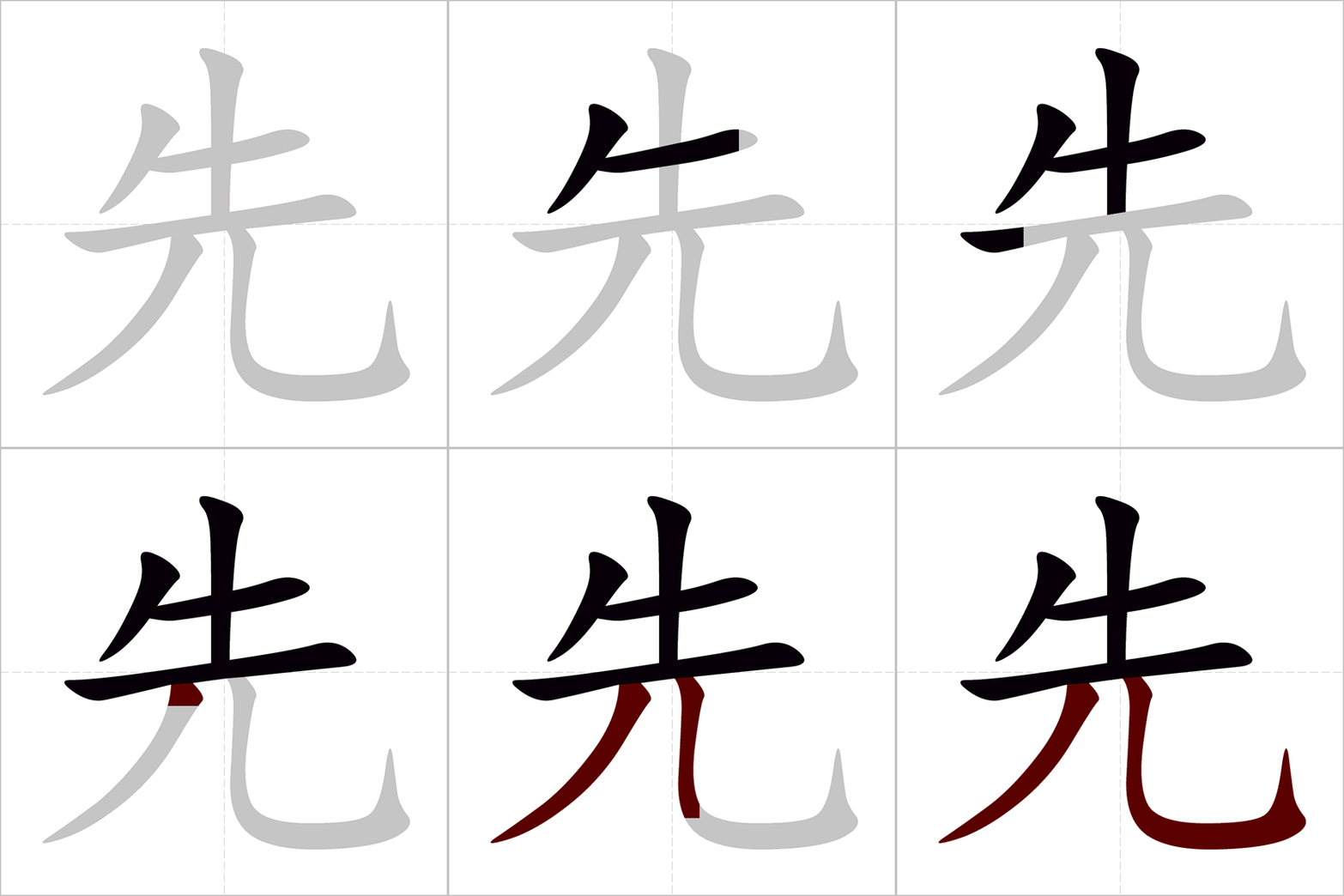
Using 率先 highlights not just being first in time but also the responsibility and courage to lead others. It is more formal and positive than simply saying 'first'. Avoid confusing it with 先 (xiān) alone, which only indicates temporal order without the leadership nuance.