
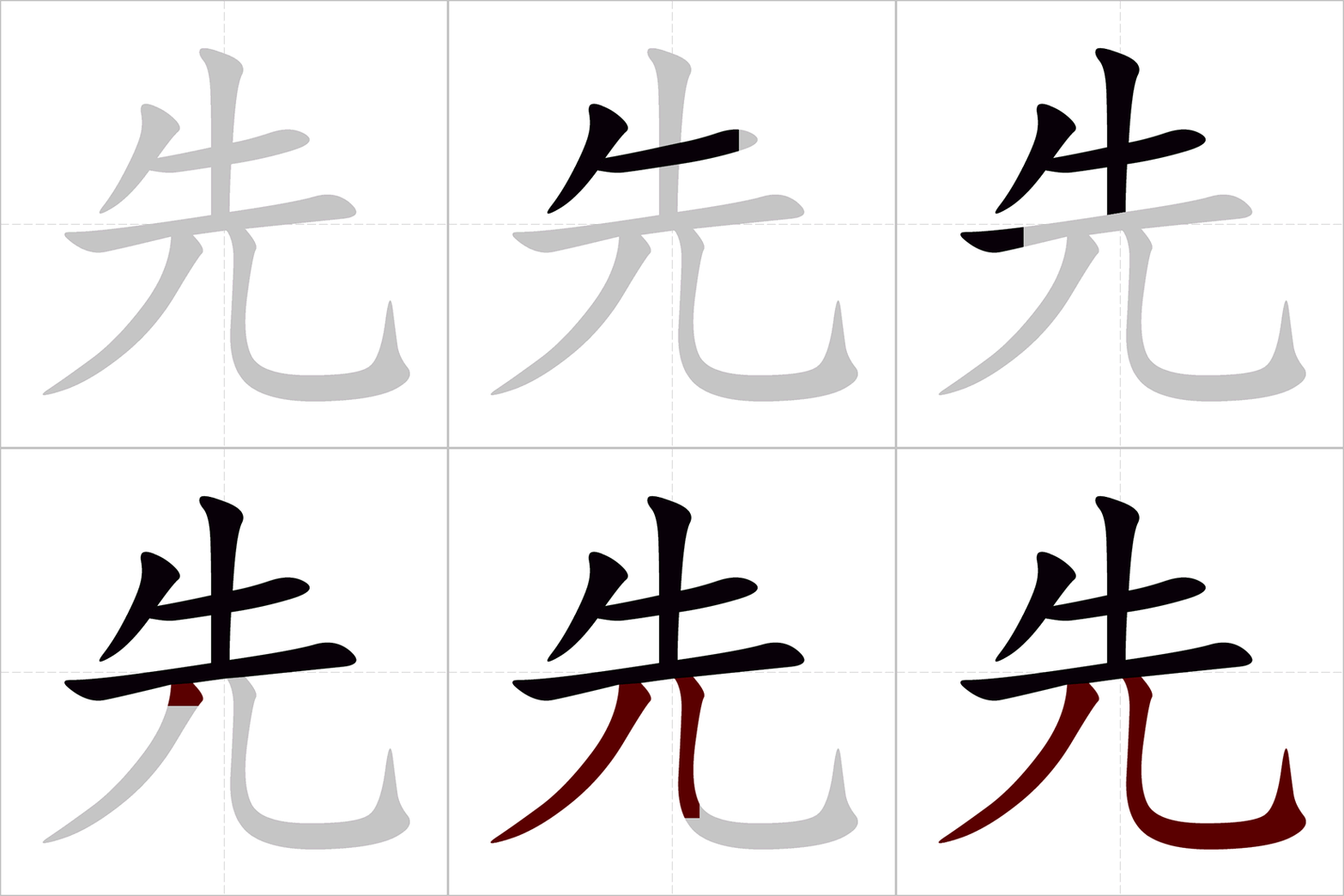
Usage of 原先
The word 原先 is used to indicate the original state, condition, or plan before a change occurred. It often appears in contexts where something has changed from its initial situation.
Common Collocations
- 原先计划 (original plan): used when referring to the initial plan before adjustments.
- 原先住处 (original residence): indicating where someone lived before moving.
- 原先以为 (originally thought): expressing an initial assumption or belief.
Nuances
Using 原先 implies a contrast between the past and the present situation. It is often used in formal or written contexts but is also common in spoken Mandarin when narrating changes.
Avoiding Confusion
Do not confuse 原先 with 以前, which also means "before" or "previously". 原先 emphasizes the original or initial state, often with an implication that things have changed since then, while 以前 is more general for any past time.