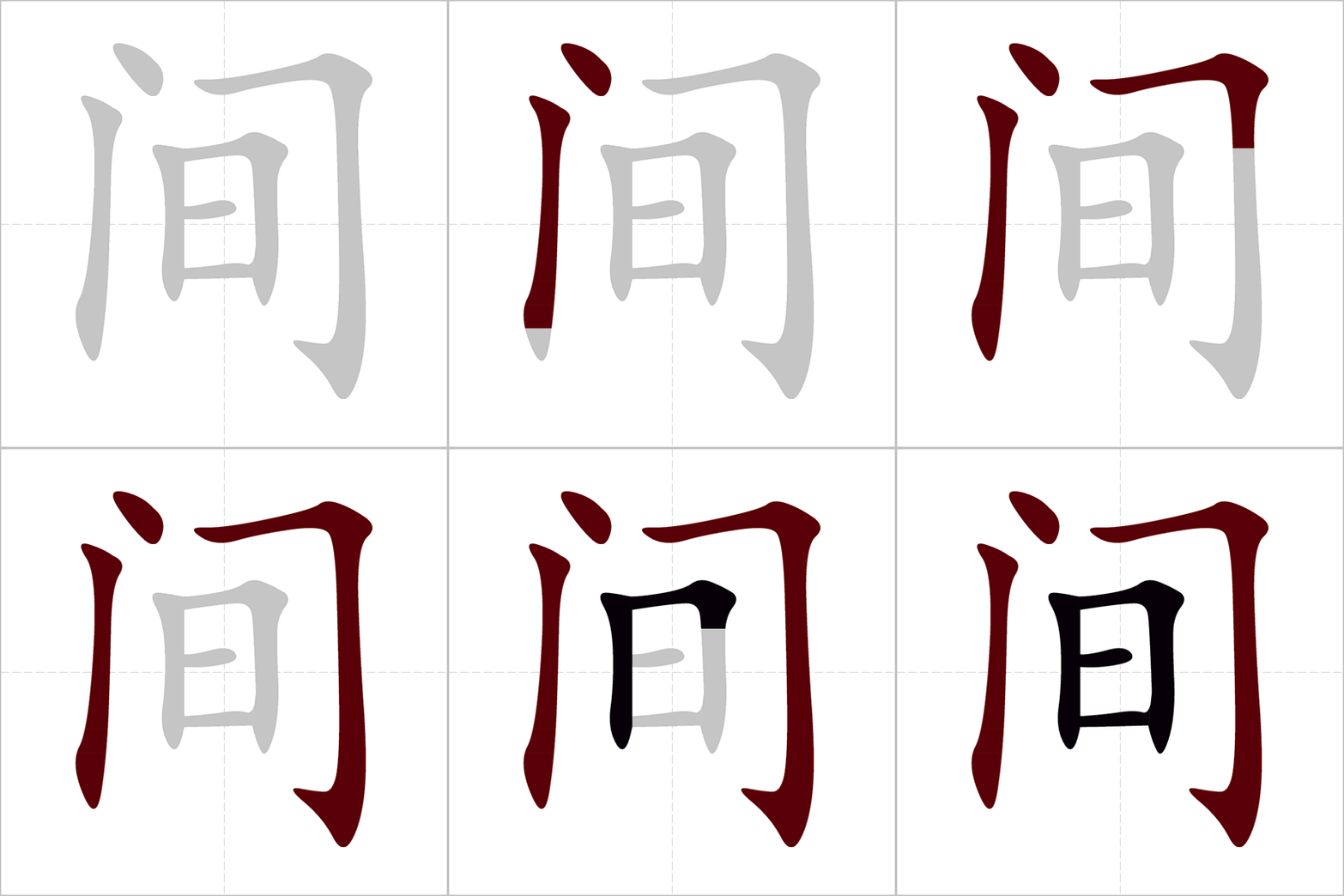

Meaning and Usage
"间歇" refers to a temporary pause or break in an ongoing action or state. It often describes something that stops and starts again intermittently rather than continuously.
Common Contexts
It is frequently used in technical contexts (like machinery operation), medical symptoms (such as intermittent pain), and natural phenomena (like rain or wind).
Collocations and Patterns
- "间歇性" + verb/noun: describes something occurring intermittently, e.g., "间歇性头痛" (intermittent headache).
- "间歇地" + verb: adverbial use to indicate doing something intermittently.
Usage Notes
"间歇" emphasizes the temporary and irregular nature of pauses. It differs from "暂停" which can imply a more deliberate or longer stop. Avoid confusing "间歇" with continuous or permanent stops.
Common Confusion
Do not confuse "间歇" with "休息" which means to rest but does not imply the irregular or repeated stopping implied by "间歇".