
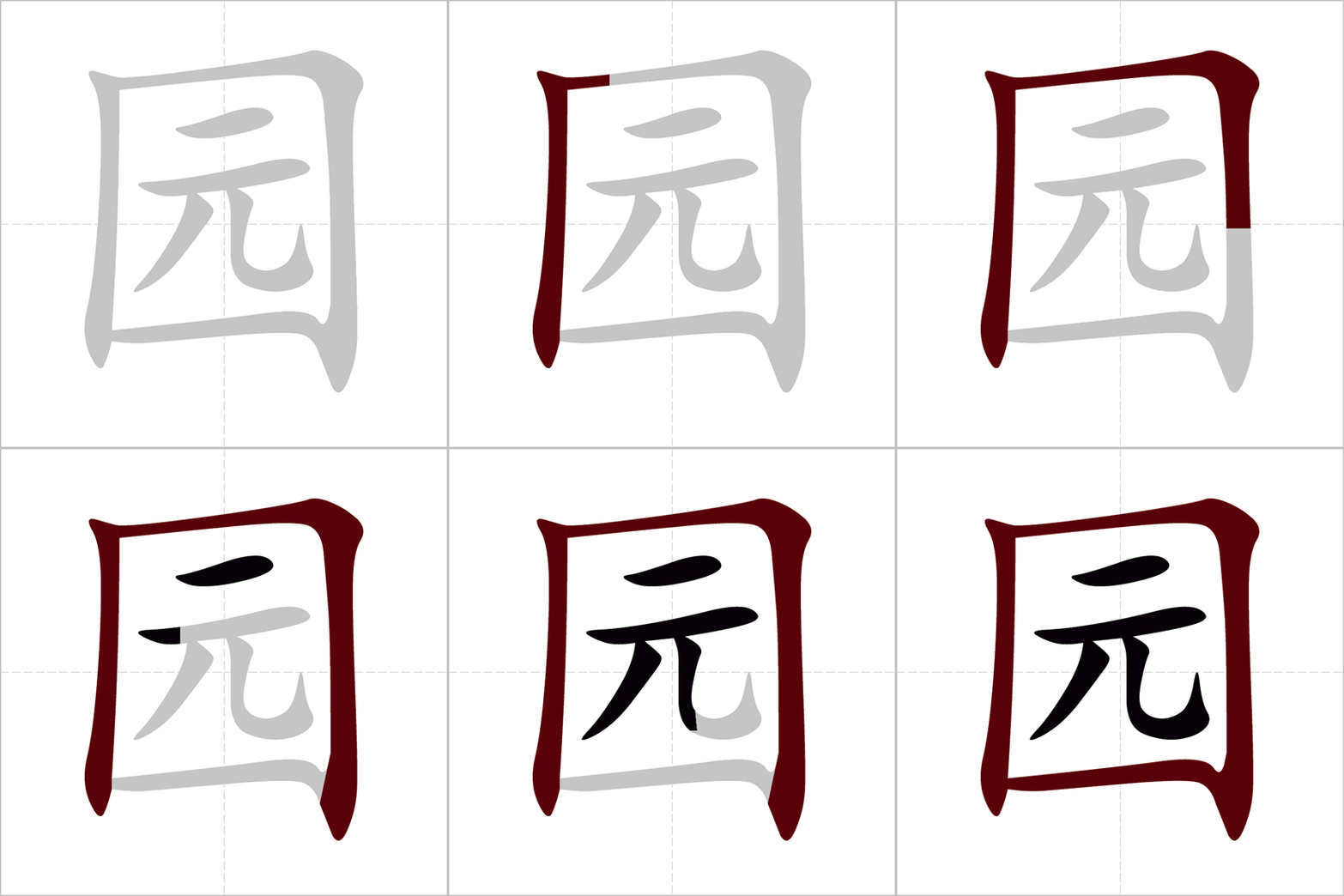
Meaning and Usage
"田园" refers to rural areas combining farmland and gardens, often evoking images of peaceful countryside life. It is commonly used to describe natural, pastoral settings or lifestyles away from urban environments.
Common Contexts
It appears in descriptions of landscapes, lifestyle preferences, and literary genres like pastoral poetry. When used, it often implies tranquility, simplicity, and a close connection to nature.
Collocations and Patterns
- 田园生活 (tiányuán shēnghuó): rural life, emphasizing a peaceful, natural lifestyle.
- 田园风光 (tiányuán fēngguāng): rural scenery, used to describe picturesque countryside views.
- 田园诗 (tiányuán shī): pastoral poetry, a literary genre celebrating rural life.
Usage Notes
"田园" carries a positive, idyllic connotation and is often contrasted with urban or industrial settings. It is not used for modern farming technology or commercial agriculture but rather for traditional, scenic rural environments. Avoid confusing it with "农村" (countryside) which is more general and neutral.