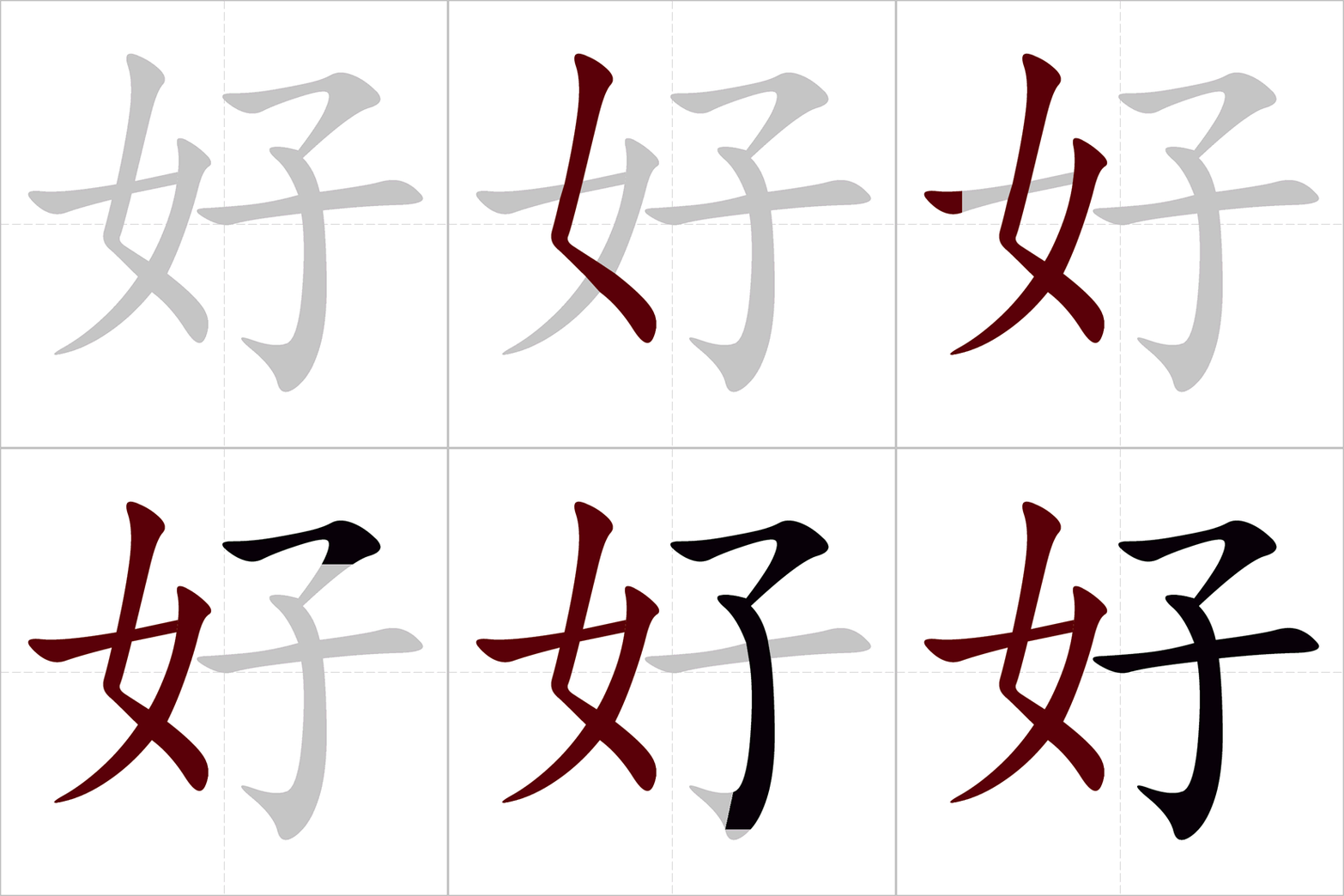
hǎo

good

HSK 1 6
Stroke order animation for 好

이 한자가 들어간 단어

hǎo HSK 1
good
好看 hǎokàn HSK 1
好看
好听 hǎotīng HSK 1
好听
你好 nǐ hǎo HSK 1
你好
好玩儿 hǎowánr HSK 1
好玩儿
好吃 hǎo chī HSK 2
tasty
爱好 ài hào HSK 3
to like; to be fond of; to take pleasure in; to be keen on
好多 hǎoduō HSK 3
好多
好久 hǎojiǔ HSK 3
好久
好处 hǎo chǔ HSK 4
easy to get along with
好好 hǎohǎo HSK 4
好好
好像 hǎo xiàng HSK 4
as if
好笑 hǎoxiào HSK 4
好笑
美好 měihǎo HSK 4
美好
友好 yǒu hǎo HSK 4
Youhao district of Yichun city 市, Heilongjiang
正好 zhèng hǎo HSK 4
just (in time)
只好 zhǐ hǎo HSK 4
to have no other option but to ...; to have to; to be forced to
最好 zuì hǎo HSK 4
best
刚好 gānghǎo HSK 5
刚好
好评 hǎopíng HSK 5
好评
好奇 hào qí HSK 5
inquisitive
好运 hǎoyùn HSK 5
好运
好转 hǎozhuǎn HSK 5
好转
良好 liáng hǎo HSK 5
good
不好意思 bù hǎo yì si HSK 5
to feel embarrassed
亲朋好友 qīnpéng-hǎoyǒu HSK 5
亲朋好友
好不 hǎobù HSK 6
好不
好感 hǎogǎn HSK 6
好感
好客 hào kè HSK 6
hospitality
好学 hàoxué HSK 6
好学
看好 kànhǎo HSK 6
看好
恰好 qiàhǎo HSK 6
恰好
幸好 xìng hǎo HSK 6
fortunately
也好 yěhǎo HSK 6
也好
恰到好处 qià dào hǎo chù HSK 6
it's just perfect
好比 hǎobǐ HSK 7
好比
好歹 hǎodǎi HSK 7
好歹
好胜 hàoshèng HSK 7
好胜
好受 hǎoshòu HSK 7
好受
好说 hǎoshuō HSK 7
好说
好似 hǎosì HSK 7
好似
好心 hǎoxīn HSK 7
好心
好意 hǎoyì HSK 7
好意
好在 hǎozài HSK 7
好在
和好 héhǎo HSK 7
和好
叫好 jiàohǎo HSK 7
叫好
嗜好 shìhào HSK 7
嗜好
讨好 tǎohǎo HSK 7
讨好
完好 wánhǎo HSK 7
完好
喜好 xǐhào HSK 7
喜好
要好 yàohǎo HSK 7
要好
时好时坏 shíhǎo-shíhuài HSK 7
时好时坏

Core Meaning and Usage

The character (hǎo) primarily means "good" or "well." It is one of the most common adjectives in Mandarin and can describe quality, condition, or approval. It can also function as an adverb or interjection in conversational contexts.

Common Collocations and Patterns

  • 好吃 (hǎo chī): delicious, used to describe food.
  • (hǎo kàn): good-looking or interesting (for visual appeal).
  • (hǎo rén): a good person, kind or morally good.
  • + verb: indicates willingness or readiness, e.g., (willing to talk), (easy to do).
  • as an interjection: used to agree or confirm, similar to "okay" or "alright."

Usage Notes

is very versatile. When used before a verb, it can indicate readiness or suitability. When used alone, it often expresses agreement or approval. It is important not to confuse with (hěn), which means "very"; emphasizes quality or goodness, while is a degree adverb.

Common Confusion

Learners sometimes confuse with 好像 (hǎoxiàng, "seems like") or 好像 (hǎo xiàng, "to like something"). Remember alone means "good," while 好像 is a separate word meaning "seems" or "appears."

Summary

is essential for expressing positive qualities, agreement, and readiness. Its flexibility makes it a foundational word in everyday Mandarin conversation.

예문

这家餐厅的菜很好吃。

Zhè jiā cāntīng de cài hěn hǎo chī.

The food at this restaurant is very good.

你今天看起来很好。

Nǐ jīntiān kàn qǐlái hěn hǎo.

You look good today.

他是一个好老师,总是耐心教学生。

Tā shì yí gè hǎo lǎoshī, zǒng shì nàixīn jiāo xuéshēng.

He is a good teacher who is always patient with students.

这件衣服大小正好。

Zhè jiàn yīfu dàxiǎo zhèng hǎo.

This piece of clothing fits just right.

好,我们开始吧。

Hǎo, wǒmen kāishǐ ba.

Okay, let's start.