
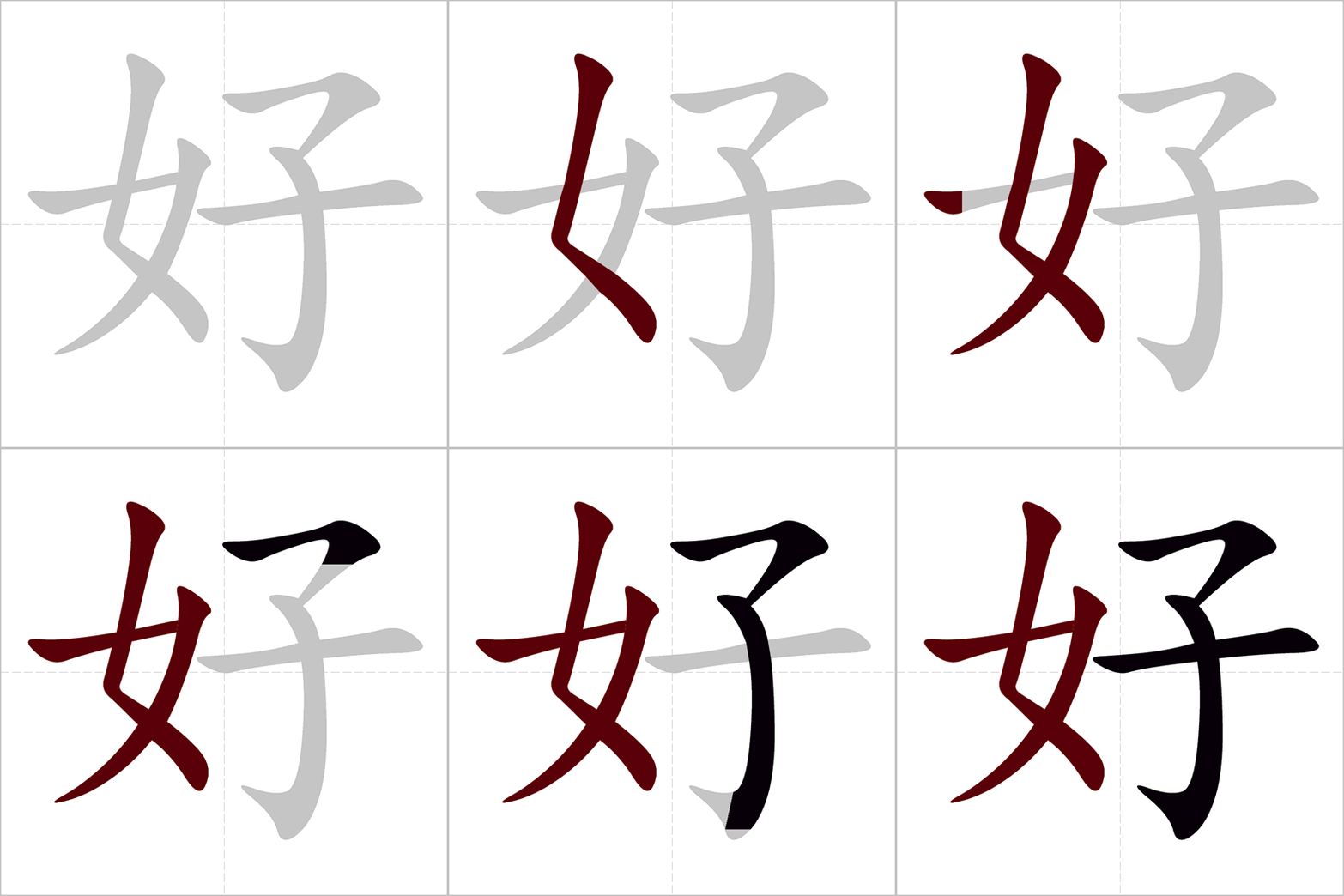
Meaning and Usage
"完好" (wánhǎo) describes something that is intact, undamaged, or in perfect condition. It is often used to emphasize that an object, item, or condition remains complete and without harm.
Common Contexts
This word frequently appears in contexts related to physical objects, such as machines, antiques, packages, or documents, where the integrity or preservation status is important.
Collocations and Patterns
- 完好无损 (wánhǎo wúsǔn): intact and undamaged, often used in formal or written contexts.
- 保存完好 (bǎocún wánhǎo): well preserved, used for antiques or historical items.
Usage Notes
"完好" is typically used as an adjective describing the state of an object. It is more formal than simply saying "好" and specifically highlights the absence of damage or loss. Avoid confusing it with "完整" which emphasizes completeness rather than condition.
Summary
Use "完好" when you want to stress that something remains in excellent, undamaged condition, especially in contexts involving inspection, preservation, or delivery.