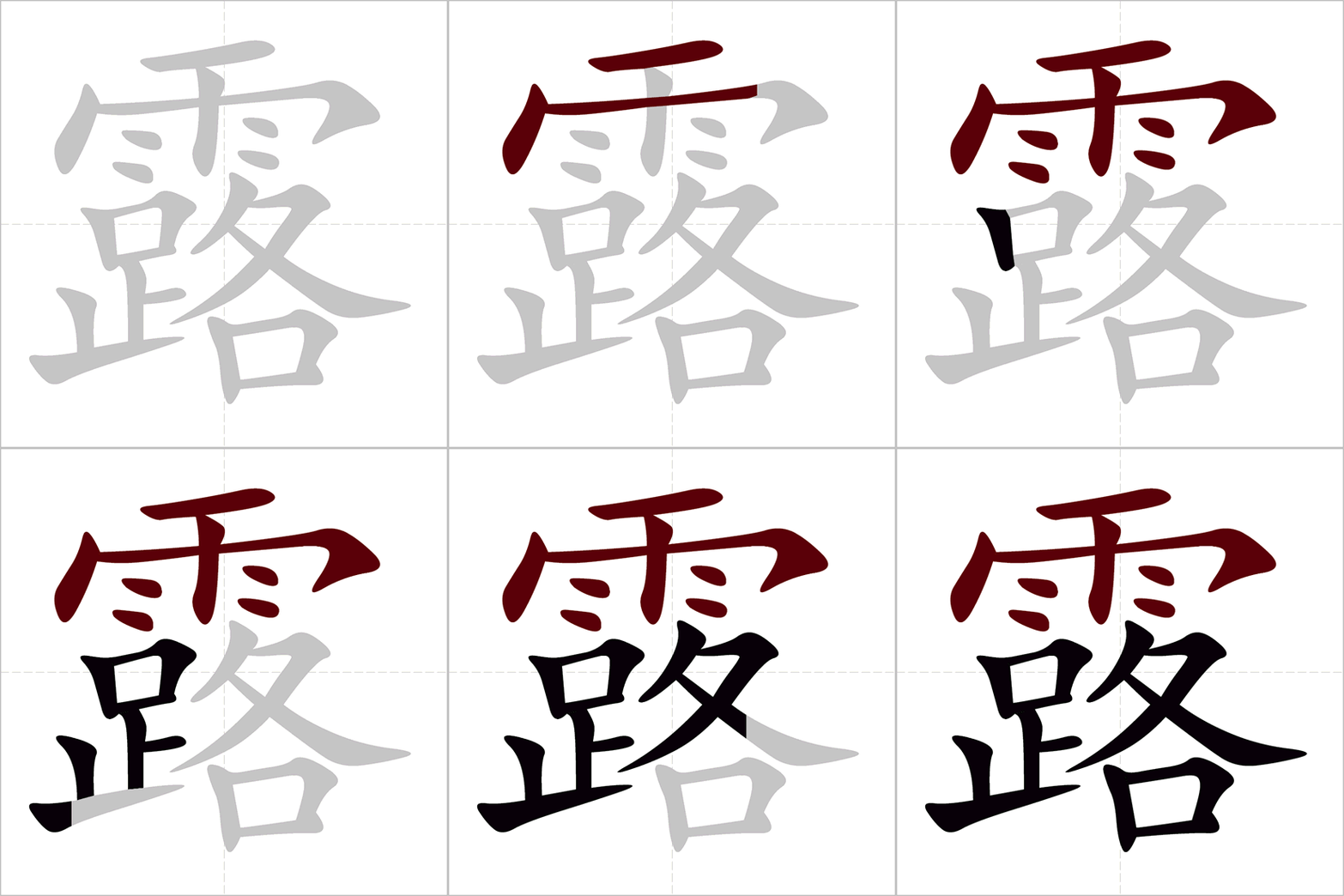
Meaning and Usage
The word '裸露' (luǒlù) primarily means 'to expose' or 'to be uncovered.' It often describes physical exposure, such as skin or surfaces being bare and visible without covering. It can also be used metaphorically to describe revealing one's true feelings or thoughts.
Common Contexts
- Physical exposure: skin, surfaces, or objects that are uncovered.
- Metaphorical exposure: revealing inner thoughts or secrets.
Collocations and Patterns
- 裸露的皮肤 (exposed skin): often used in medical or injury contexts.
- 裸露的墙体 (exposed wall): common in architecture or construction.
- 裸露真实想法 (reveal true thoughts): used in conversations or discussions.
Usage Notes
'裸露' is more formal and descriptive than casual words like '露出.' It often appears in written language, news reports, or formal speech. When describing people, it usually refers to physical exposure but can extend to emotional or psychological openness. Avoid confusing it with '暴露,' which can carry a stronger negative or accidental connotation.