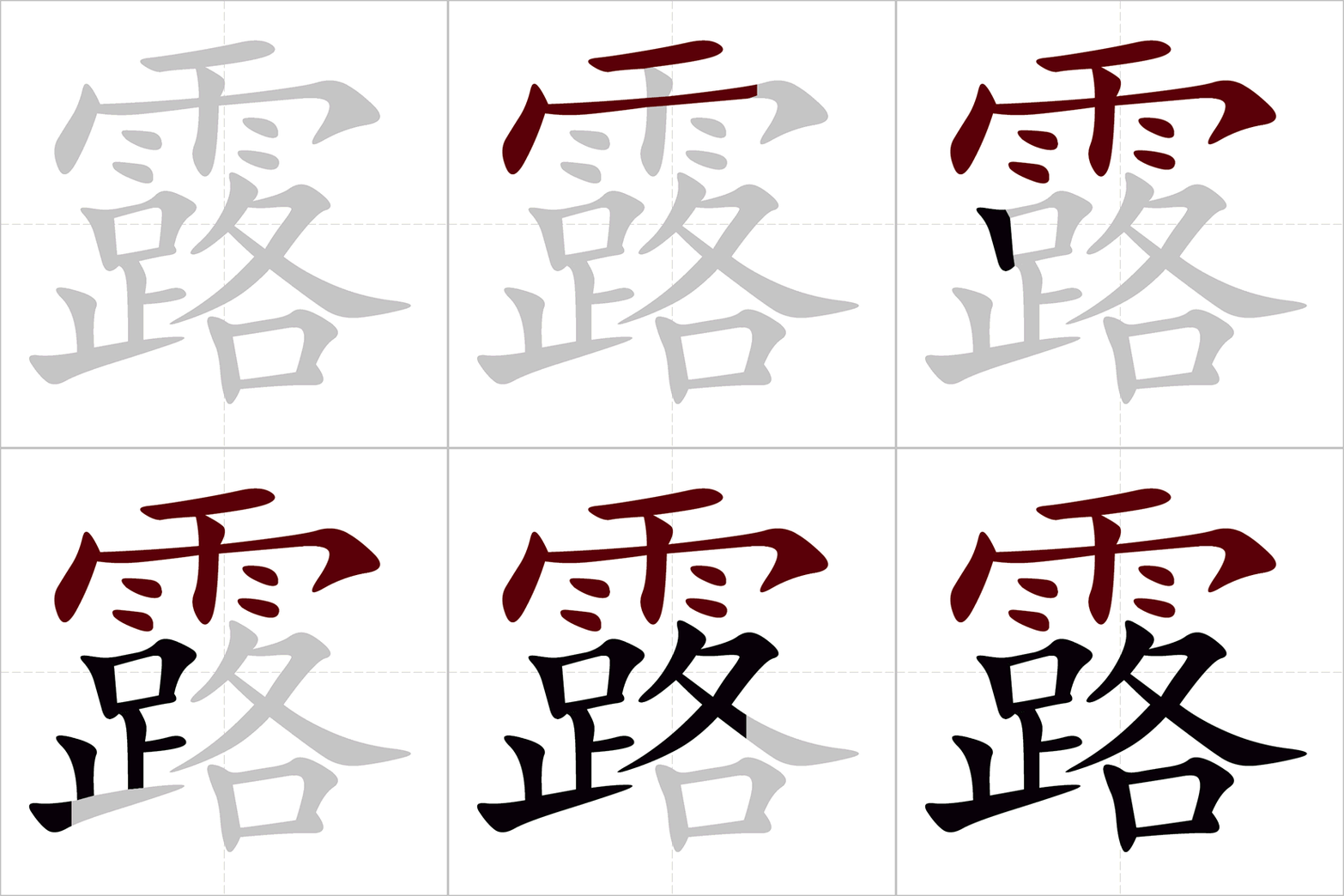

Meaning and Usage
The verb 露面 (lòumiàn) literally means "to show one's face" or "to appear in public." It is commonly used to describe someone making a public appearance after a period of absence or hiding.
Common Contexts
This word often appears in contexts involving celebrities, public figures, or anyone who has been out of sight for a while. For example, a celebrity might avoid public events to maintain privacy or mystery, and when they do appear, it is described as 露面.
Collocations and Patterns
- 公开露面: to appear publicly, often used when someone appears at an event or in public media.
- 很少露面: rarely appear, indicating infrequent public appearances.
- 突然露面: suddenly appear, used when someone unexpectedly shows up.
Nuances
Using 露面 implies a certain significance or attention to the act of appearing. It often carries the nuance that the appearance is notable because it was unexpected or after a long absence. It is more formal and specific than simply saying "to appear" (出现).
Common Confusion
Do not confuse 露面 with 出现, which is more general and can refer to objects or abstract things appearing. 露面 specifically refers to people showing their face or presence in a social or public context.