

Understanding 幼儿园
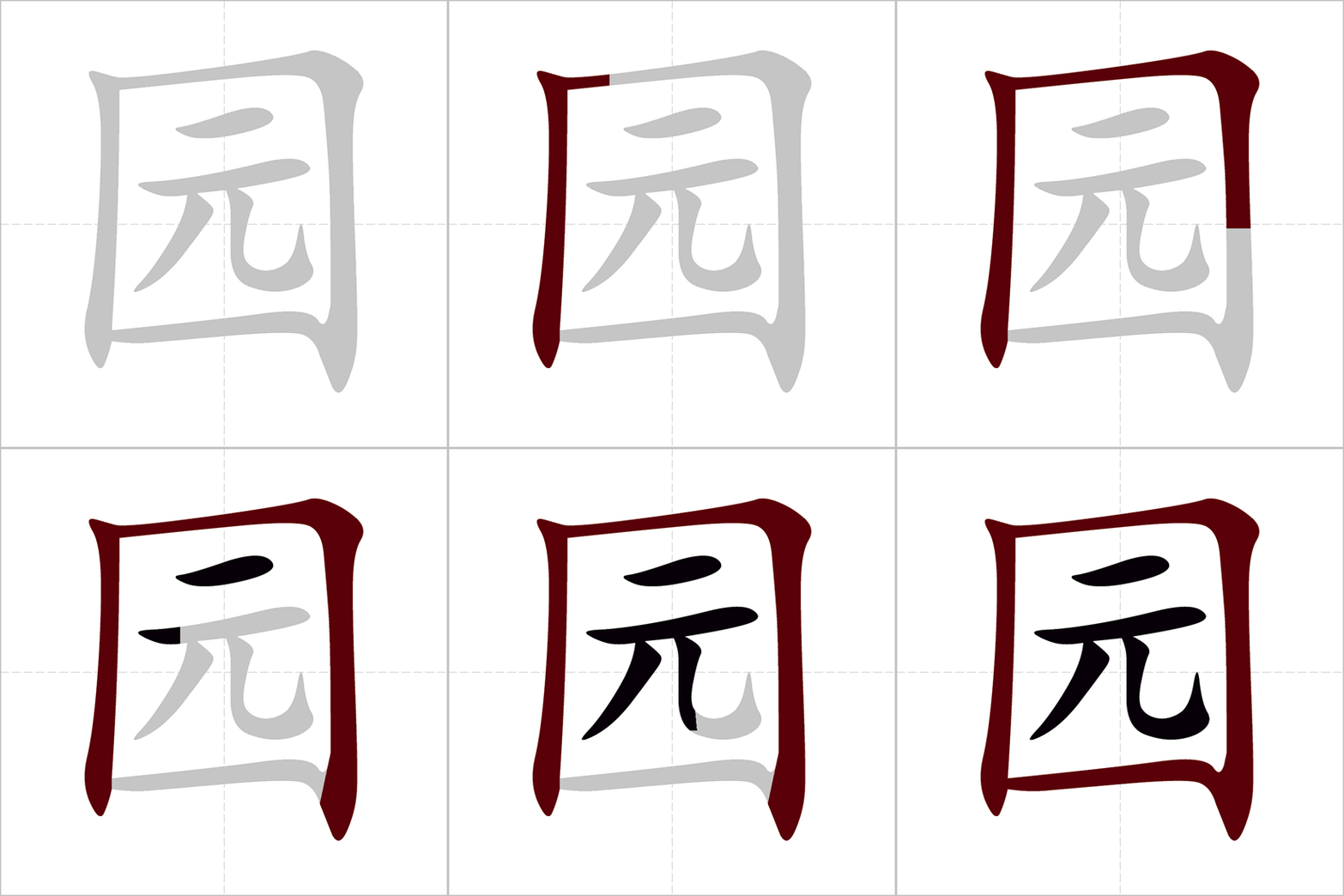
幼儿园 (yòu ér yuán) refers specifically to kindergarten, a place where young children, typically aged 3 to 6, receive early childhood education before entering primary school. It combines the characters for 'young child' (幼儿) and 'garden/park' (园), emphasizing a nurturing environment.
Usage and Context
This term is commonly used by parents, educators, and in discussions about early education. It often appears in contexts related to child development, schooling, and family life.
Common Collocations
- 幼儿园老师 (kindergarten teacher): refers to the educators working there.
- 上幼儿园 (attend kindergarten): used when talking about children starting or going to kindergarten.
- 幼儿园活动 (kindergarten activities): refers to the games, learning, and social activities organized for children.
Notes
幼儿园 is distinct from 幼稚园, which is more commonly used in Taiwan and Japan. In Mainland China, 幼儿园 is the standard term. When using 幼儿园, it implies a formal educational setting for young children, not just a daycare.
Avoid confusing 幼儿园 with 小学 (primary school) or 托儿所 (daycare center), as they serve different age groups and functions.