

Meaning and Usage
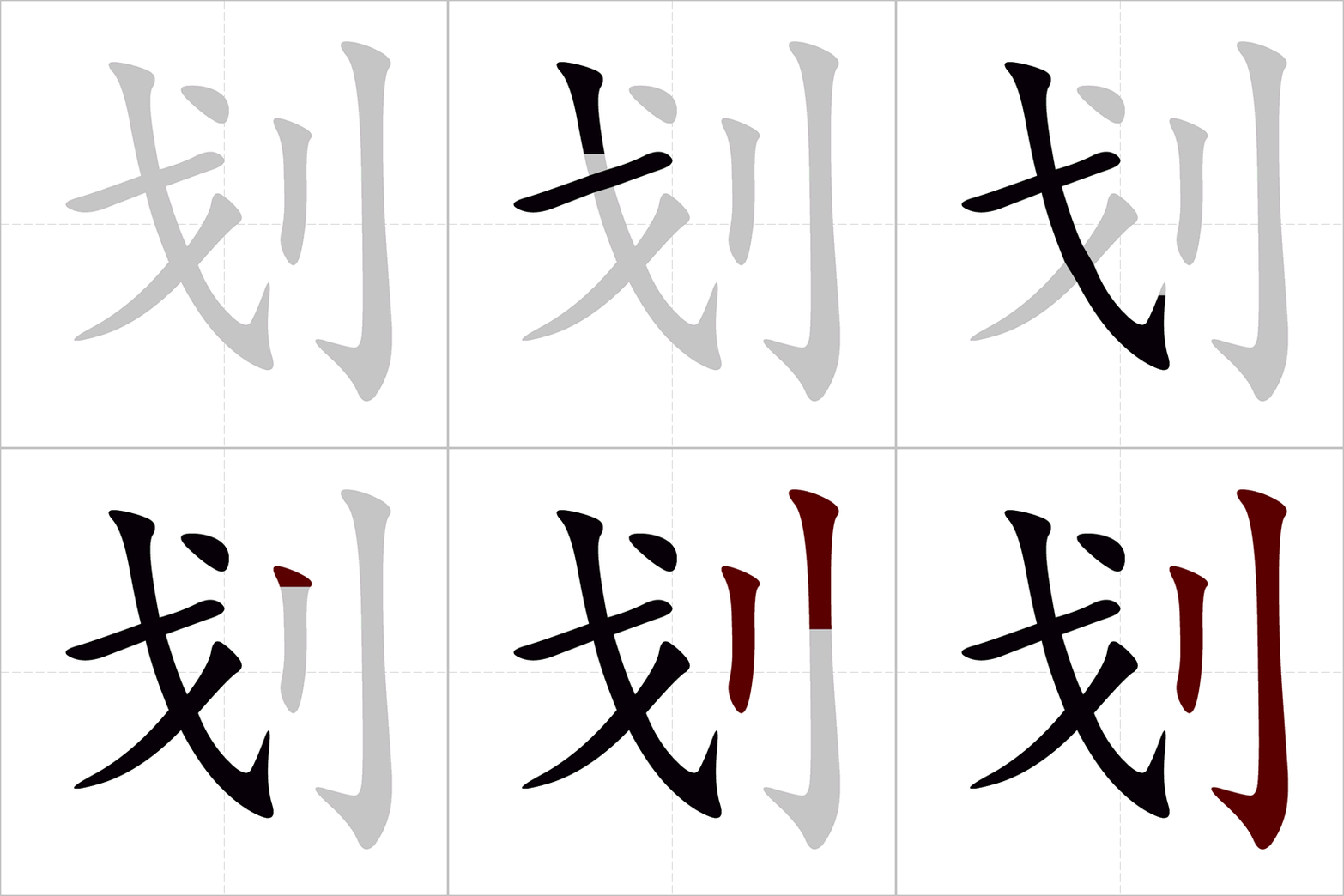
"划时代" literally means "to mark an era" and is used to describe events, inventions, or works that represent a major turning point or breakthrough in history or a particular field. It conveys a strong sense of innovation and significance that changes the course of time.
Common Contexts
This term is often used in formal or literary contexts to praise technological advances, artistic achievements, or important decisions that have a lasting impact.
Collocations and Patterns
- 划时代的突破: a groundbreaking breakthrough, emphasizing innovation
- 划时代的意义: epoch-making significance, highlighting importance
- 划时代的作品: landmark work, referring to art or literature
Usage Notes
When using "划时代," speakers imply that the subject is not just new or different, but fundamentally changes the status quo. It is more formal and weighty than simply saying "important" or "new." Avoid using it for minor improvements or everyday changes to maintain its strong impact.