
Usage and Nuances
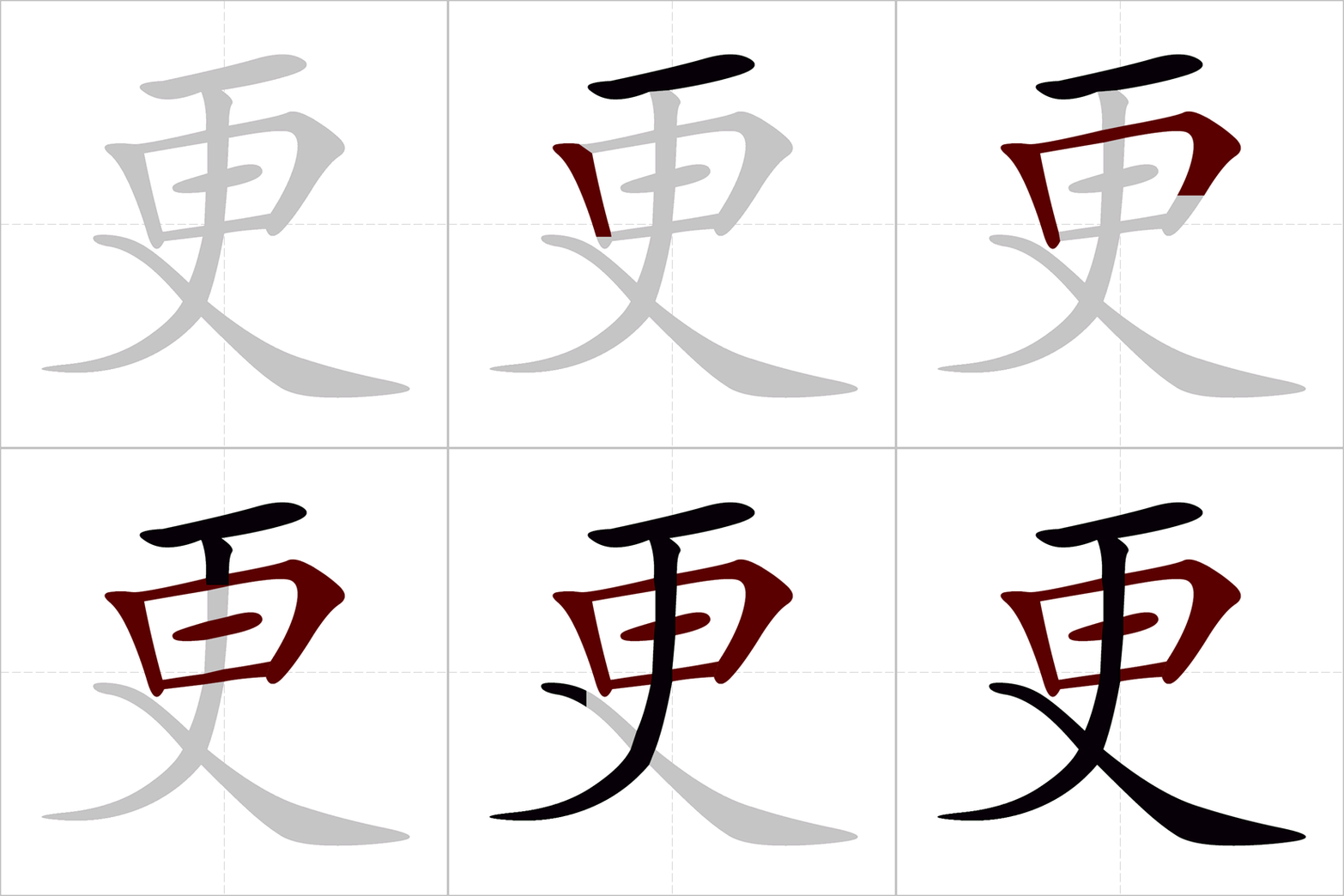
The verb 更正 (gēngzhèng) specifically refers to correcting errors in written or spoken information, such as documents, reports, statements, or announcements. It implies an official or formal correction rather than casual fixing.
Common Contexts
You will often see 更正 used in professional or media contexts, such as correcting mistakes in reports, news releases, or public statements. It is a formal term and less likely to be used for everyday minor corrections.
Collocations and Patterns
- 更正错误 (gēngzhèng cuòwù): to correct mistakes
- 更正声明 (gēngzhèng shēngmíng): correction statement
- 及时更正 (jíshí gēngzhèng): to correct promptly
These collocations emphasize the act of rectifying errors clearly and formally.
Common Confusions
Don't confuse 更正 with 修改 (xiūgǎi), which means "to modify" or "revise" and can be more general or informal. 更正 focuses on correcting errors, often with an official tone.
Summary
Use 更正 when you want to express the act of correcting factual or formal errors, especially in documents or public statements. It carries a tone of responsibility and accuracy.