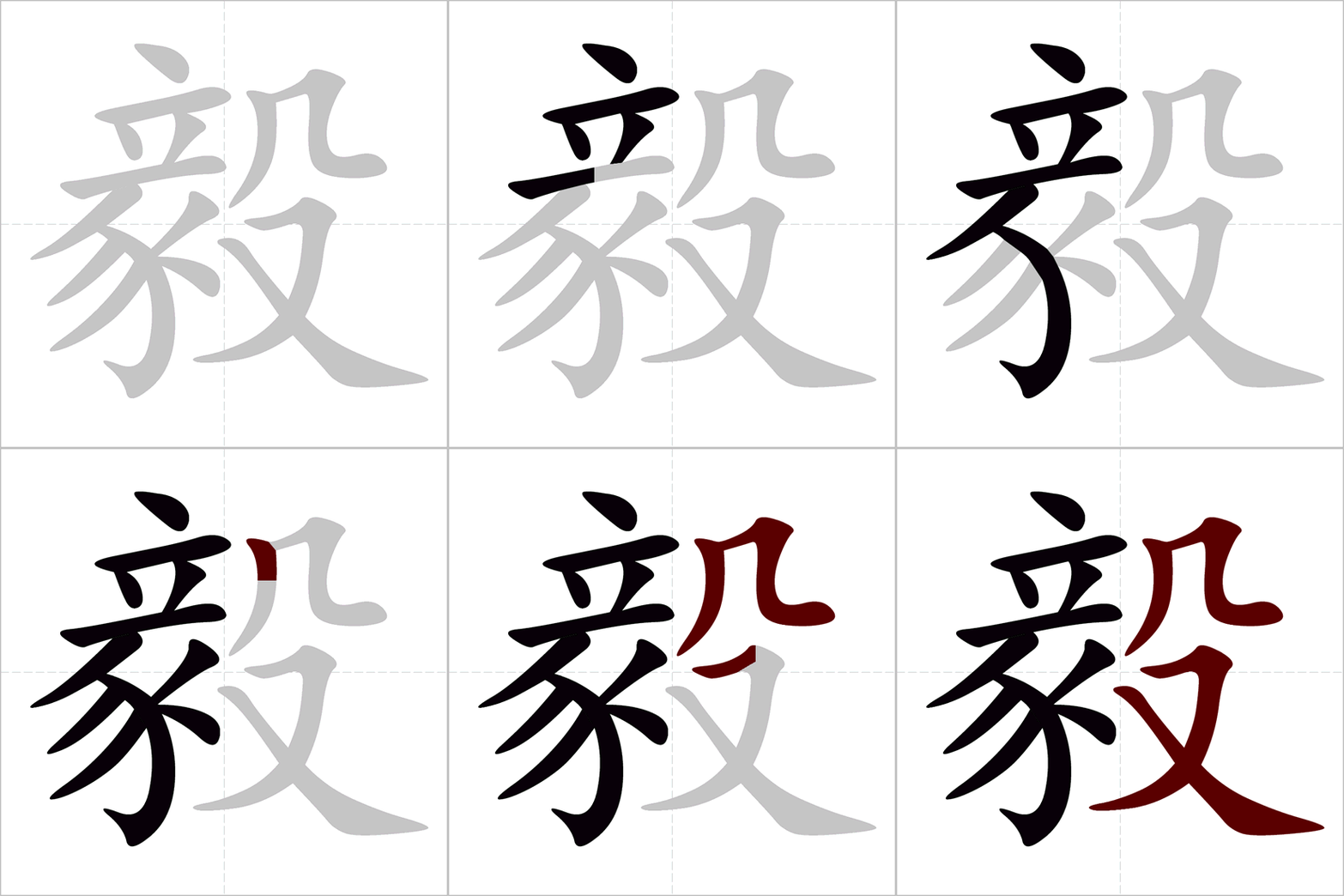

Meaning and Usage
"毅然" is an adverb used to describe actions done with firm determination and resoluteness. It conveys a strong sense of decisiveness and courage, often in the face of difficulty or pressure.
Common Contexts
It is frequently used when someone makes a clear, unwavering decision or takes a bold stance, especially when rejecting something or standing up for a principle.
Collocations and Patterns
- 毅然拒绝 (yìrán jùjué): firmly refuse — used when rejecting requests or proposals decisively.
- 毅然决定 (yìrán juédìng): resolutely decide — emphasizes a determined choice.
- 毅然站出来 (yìrán zhàn chūlái): stand up firmly — often used when defending or supporting someone.
Nuances
Using "毅然" implies not only firmness but also moral courage and clarity of purpose. It is more formal and stronger than simply saying "坚决" or "果断". Avoid using it in casual or weak contexts.
Common Confusion
Do not confuse "毅然" with "突然" (suddenly). While "毅然" stresses determination, "突然" refers to something happening unexpectedly.