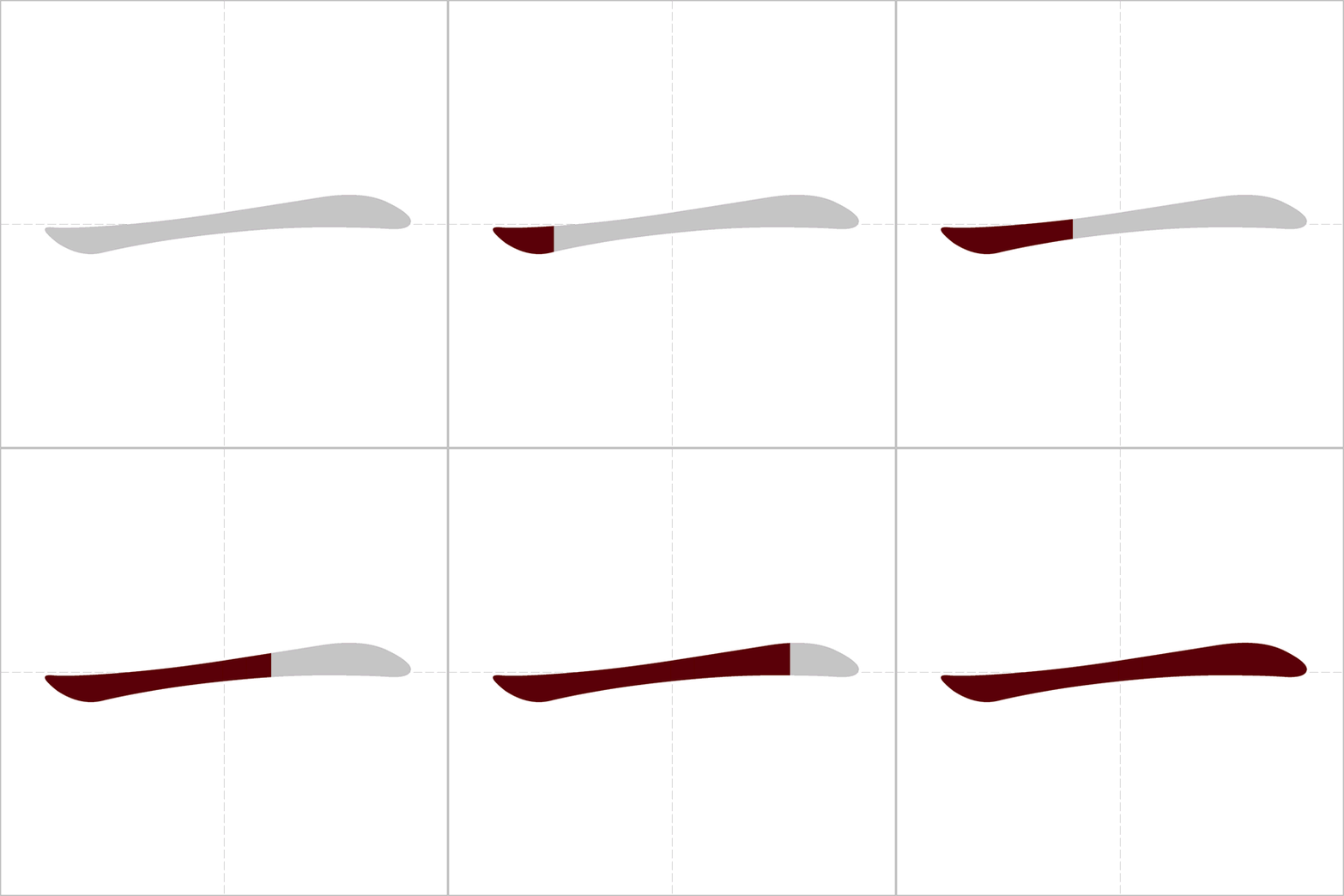

Usage of 一连
The adverb 一连 (yìlián) is used to express a continuous or consecutive sequence of events or actions. It often emphasizes that something happens repeatedly or without interruption over a period of time.
Common contexts
It is frequently used with time expressions (e.g., 一连三天 - three days in a row) or quantities (e.g., 一连好几次 - several times consecutively) to highlight persistence or repetition.
Collocations
- 一连 + number + 时间/次数: to indicate consecutive days, times, or occurrences.
- 一连说: to say several things in succession.
Nuance
Using 一连 stresses the continuity and often implies a sense of endurance or intensity. It is more formal and specific than simply saying 连续.
Common confusion
Don't confuse 一连 with 连续. 一连 often appears in spoken or informal contexts to emphasize a streak, while 连续 is more neutral and common in formal writing.